





Six major international powers - United Kingdom, France, Germany, Italy, Japan, and Netherlands - have expressed readiness to help ensure safe navigation through the strategically vital Strait of Hormuz, though several emphasized that any action would follow a ceasefire.
In a joint statement, the countries condemned recent attacks on commercial vessels in the Gulf, attributing them to Iran, and stressed their willingness to support efforts to safeguard maritime traffic.
However, France, Germany, and Italy clarified that they were not considering immediate military involvement, instead favoring a coordinated international initiative after hostilities subside.
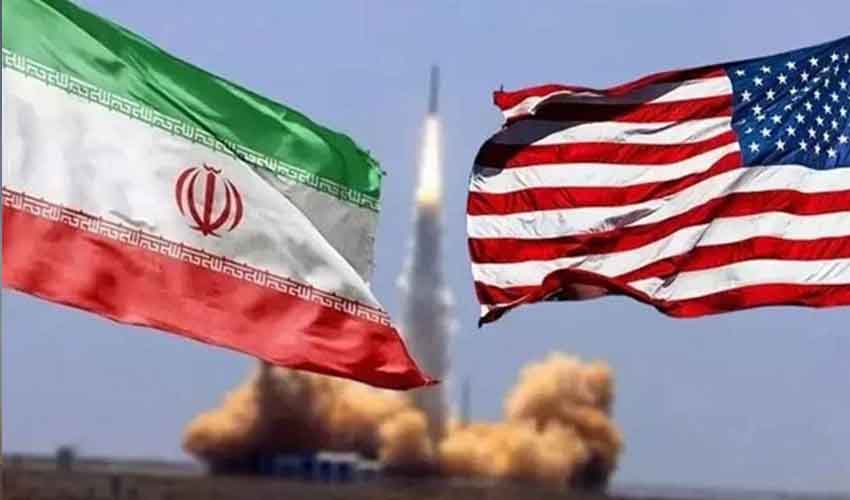
The developments come amid a severe disruption in shipping through the Strait of Hormuz, a crucial global trade route through which roughly 20% of the world’s oil and liquefied natural gas passes during peacetime. The ongoing conflict — triggered on February 28 by strikes from the United States and Israel — has led to Iranian retaliation across the Gulf, including reported attacks on commercial vessels.
According to the International Maritime Organization, at least 23 vessels, including 10 tankers, have been targeted or reported incidents, leaving approximately 20,000 seafarers stranded on over 3,200 ships in the region.
The joint statement called on Iran to immediately halt threats, including mining operations, drone and missile strikes, and other actions disrupting maritime traffic. The nations emphasized that freedom of navigation is a fundamental principle under international law, particularly the UN Convention on the Law of the Sea.
Despite calls from Donald Trump for immediate international intervention, European leaders have taken a cautious stance. Italy’s Defence Minister Guido Crosetto said any involvement should not be viewed as a “war mission” and must follow a ceasefire under a UN-backed framework. Similarly, Germany’s Defence Minister Boris Pistorius noted that any military participation would depend on parliamentary approval and post-conflict conditions.
Meanwhile, French President Emmanuel Macron confirmed that discussions are underway with UN Security Council members to explore a legal framework for securing navigation in the region once fighting ends. The cautious approach reflects concerns over escalating risks, with officials warning that current threat levels make immediate deployment of naval forces unlikely.