





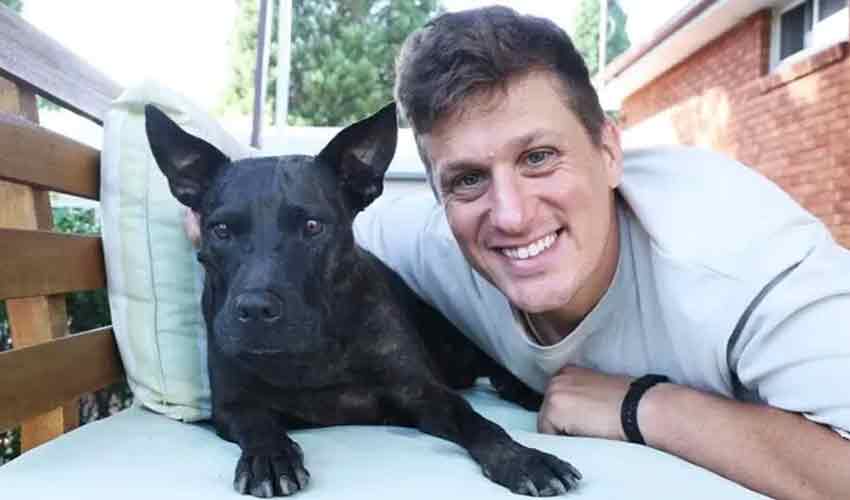
An Australian machine learning expert, Paul Cunningham, has developed a personalized mRNA cancer vaccine for his pet dog “Rosie” using ChatGPT, AlphaFold, and his own algorithms.
Rosie was diagnosed in 2024 with Mastocytoma, the most common form of skin cancer in dogs. Surgery and chemotherapy only slowed the tumors, failing to eliminate them, and veterinarians initially gave her just one to six months to live.
Drawing on 17 years of experience, Cunningham turned to artificial intelligence for a solution. ChatGPT guided him toward immunotherapy and genomic sequencing, helping outline a process that included sequencing the tumor’s DNA, comparing it with healthy cells, identifying mutations, and targeting specific neoantigens for vaccine design.
He then used AlphaFold, developed by Google DeepMind, to analyze the 3D structure of mutated proteins, while his own algorithms selected the most effective targets. This led to the creation of a complete mRNA sequence formula, which was sent to the RNA Institute at the University of New South Wales for production. The entire process - from data collection to vaccine development - was completed in less than two months.
After receiving approval from Australia’s ethics committee, Rosie was administered three doses of the vaccine in December 2025, January, and March. Within a month of the first dose, one tumor had shrunk by nearly half, and according to Cunningham, the dog regained energy and returned to a healthier, more active life.
However, a second tumor did not respond to the treatment, prompting further genetic analysis to understand the cause.
Scientists have described the effort as a remarkable example of how personalized mRNA vaccines could be developed quickly and at relatively low cost. However, they caution that this remains a single experimental case rather than a formal clinical trial, and extensive research and testing will be required before such therapies can be approved for widespread use in humans or animals.