





A record-breaking early-season heatwave has gripped the western United States, with scientists warning the event is extraordinarily rare and largely driven by human-caused climate change.
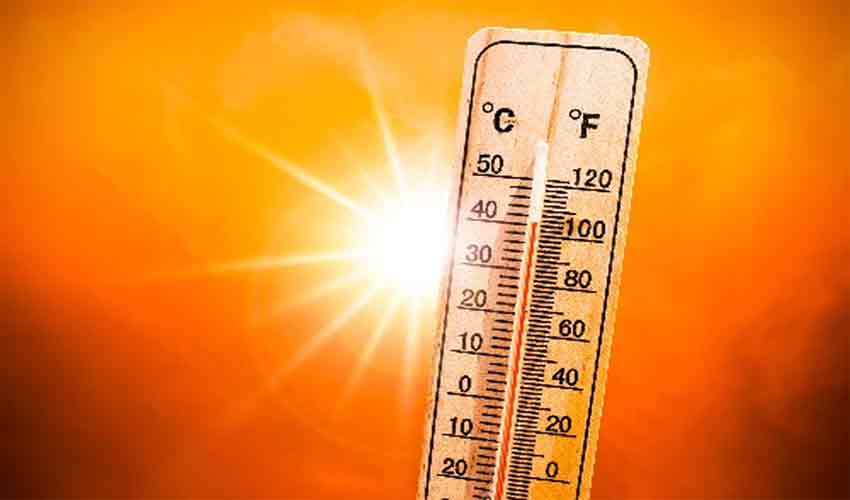
Temperatures surged across the region this week, with the extreme heat expected to persist into the weekend and gradually spread eastward. In Death Valley, temperatures soared to 40°C on Thursday, while San Francisco matched its highest-ever March temperature at 29°C—an unusual spike for a city typically known for cool, foggy weather. Meanwhile, in Colorado, skiers were seen on the slopes in unusually warm, shirtless conditions.
The National Weather Service issued extreme heat warnings across large parts of the southwest, including Los Angeles, coastal southern California, and Las Vegas. Officials also cautioned residents against leaving children or pets in parked vehicles due to the dangerous temperatures.
Climate experts say the intensity and timing of the heatwave—arriving just as winter ends—are deeply concerning. According to the World Weather Attribution group, such an event would have been “virtually impossible” without human-induced climate change. Their analysis suggests an occurrence of this scale would typically be expected only once every 500 years.
Friederike Otto, a professor at Imperial College London and a co-author of the report, said the findings highlight how climate change is pushing weather patterns into unprecedented extremes.
She warned that long-established seasonal patterns in the US West are rapidly shifting, posing growing risks to vulnerable populations, including outdoor workers and those without access to air conditioning. “The threat isn’t distant—it is already here and worsening,” she said, urging faster policy action.
Scientists emphasize that such extreme heat events are a clear signal of global warming, driven largely by fossil fuel emissions. With the northern hemisphere just entering spring, the unusually high temperatures are already disrupting ecosystems, accelerating plant growth and early blooming following heavy winter rains.
Residents are also taking notice. Terry Salas, speaking in Los Angeles, described recent weather patterns as erratic and alarming. “This is very unusual—we’re still in winter,” she said. “But this is global warming. While other parts of the country face tornadoes and snow, we’re experiencing summer-like heat in March.”

.jpg)