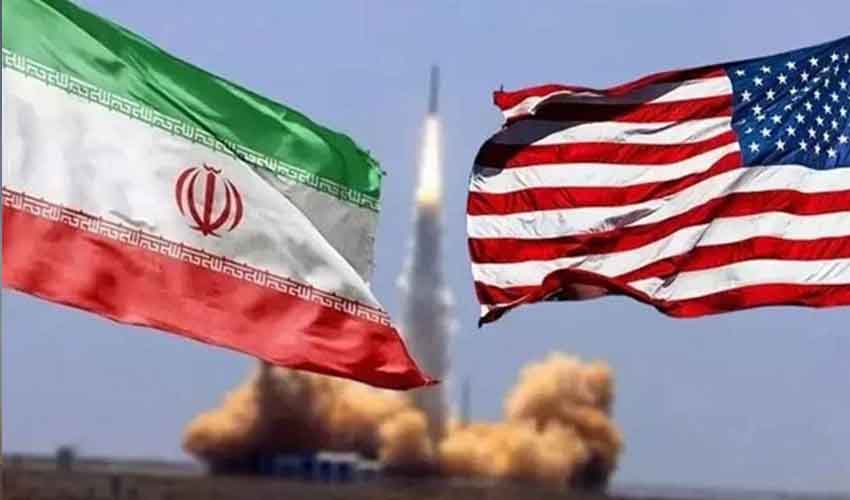






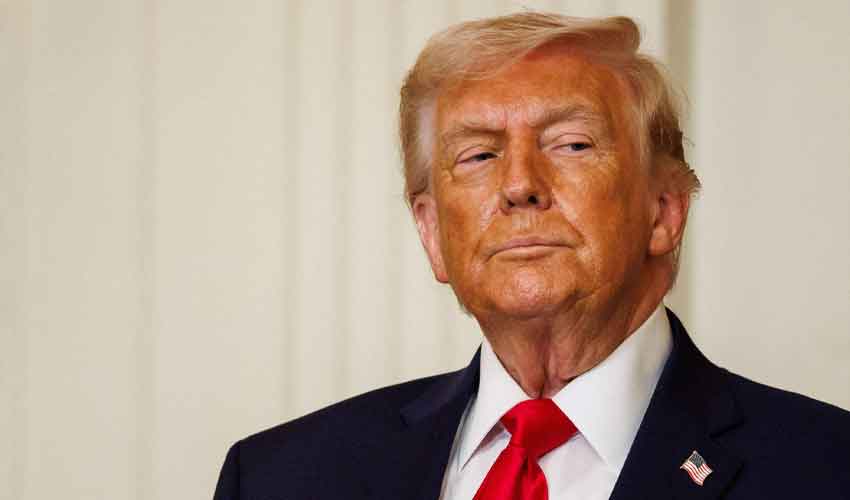
Donald Trump’s approach to Iran is creating unease among independent voters in the United States, a key group that could determine whether the Republican Party retains control of Congress in the November midterm elections.
At a breakfast diner in Pennsylvania, a critical swing state known for shifting loyalties, reactions to the conflict ranged from frustration to confusion.
“Trump’s just dragging us into another Iraq or Vietnam,” said 65-year-old retired postal worker Jolene Lloyd, referring to two protracted wars widely regarded as failures. Although Lloyd has never voted for Trump, she has previously split her ticket — this year, however, she plans to support only Democrats.
With Republicans holding a narrow majority in Congress, even a small shift in voter sentiment could threaten their control. The midterms will determine whether Trump works with a cooperative legislature or faces a Democratic majority able to block legislation and launch investigations.
Concerns over the cost of living are already high, and any price increases tied to the Iran conflict are likely to be highlighted in Democratic campaigns. “Gas prices are obviously skyrocketing… It’s a total mess,” Lloyd said while sipping her morning coffee.
A recent Quinnipiac University poll shows 60% of independents oppose US military action against Iran, compared to 31% in favor. That split was evident in Levittown, a blue-collar suburb of Philadelphia lined with car dealerships and repair shops.
Welder Vince Lucisano, 42, who voted for Trump in 2024, said he sees Iran as a threat but prefers no US ground troops. “We need to just handle it and put Iran in its place. Once it becomes a full-blown war, it gets a little scary,” he said. Despite concerns over foreign spending, Lucisano still intends to vote Republican.
“America First shouldn’t mean billions overseas,” he added, referencing Trump’s campaign slogan.
The Quinnipiac poll also found that 71% of independents believe the Trump administration has not clearly explained its reasons for intervening in Iran. Analysts warn that this lack of clarity could undermine Republican prospects in the midterms.
Christopher Borick, director of the Muhlenberg College Institute of Public Opinion, said the conflict compounds voter worries about affordability and immigration. “The administration’s inability to present a compelling and clear case for military action in Iran, alongside rising costs at home, has intensified the Republicans’ difficult position among independents,” he noted.

.jpg)