





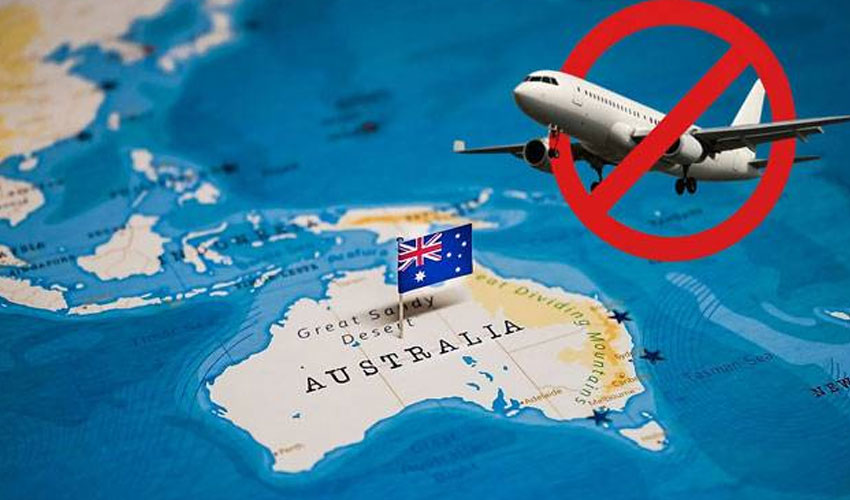
Australia has imposed a six-month temporary ban on Iranian visitors, citing the ongoing U.S.-Israeli conflict with Iran and the risk that temporary visa holders may be unable to leave the country once their visas expire.
The measure aims to give authorities time to assess the situation while maintaining some flexibility for exemptions.
The Department of Home Affairs announced the restrictions on Wednesday, describing the move as in Australia’s “national interest amid rapidly changing global conditions.”
The ban applies to Iranian citizens currently outside Australia, even if they hold valid visitor visas for tourism or work. It does not apply to those already in Australia, individuals in transit, permanent visa holders, or spouses, de facto partners, and dependent children of Australian citizens.
Exceptions may also be considered on a case-by-case basis, such as for parents of Australian citizens.
Government justification
Home Affairs Minister Tony Burke emphasized that decisions on who can remain permanently in Australia should rest with the government and not depend on who booked travel before the conflict.
“There are many visitor visas issued before the conflict in Iran that may not have been granted under current circumstances,” Burke said. The government said it will continue monitoring developments and adjust policies to ensure the migration system remains orderly and fair.
The Sydney-based Asylum Seekers Centre criticized the ban, calling it a “shameful new law” rushed through parliament.
“For years, politicians have stressed the importance of seeking safety through legal routes,” the group said. “Now, in the face of an international humanitarian crisis, the government is slamming the door shut and blocking a key pathway for people seeking safety today and in the future.”
Recent context
Earlier this month, the U.S. urged Australia to grant asylum to the Iranian women’s football team amid fears of repercussions after they did not sing the national anthem at a Women’s Asian Cup 2026 match in Queensland.
Prime Minister Anthony Albanese confirmed that five team members sought assistance and were “safely located” by Australian authorities. In total, seven players and officials were granted asylum, though five later chose to return to Iran.
The team had arrived in Australia before the U.S. and Israel launched attacks on Iran on February 28.