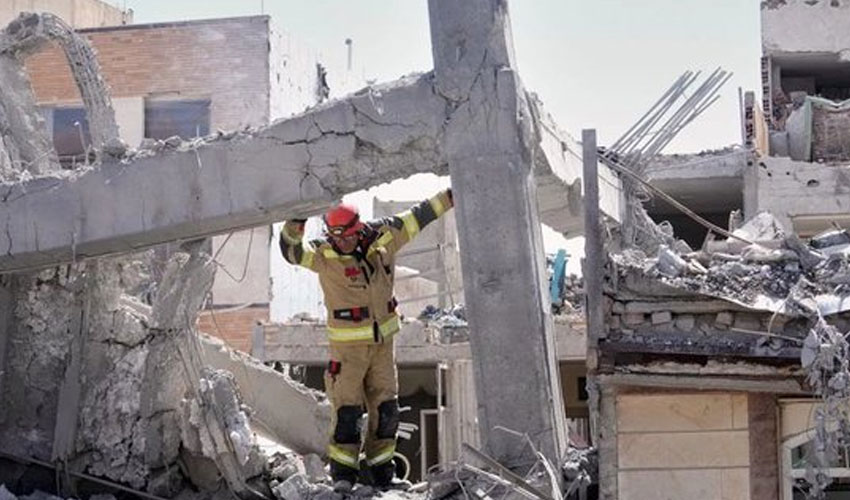






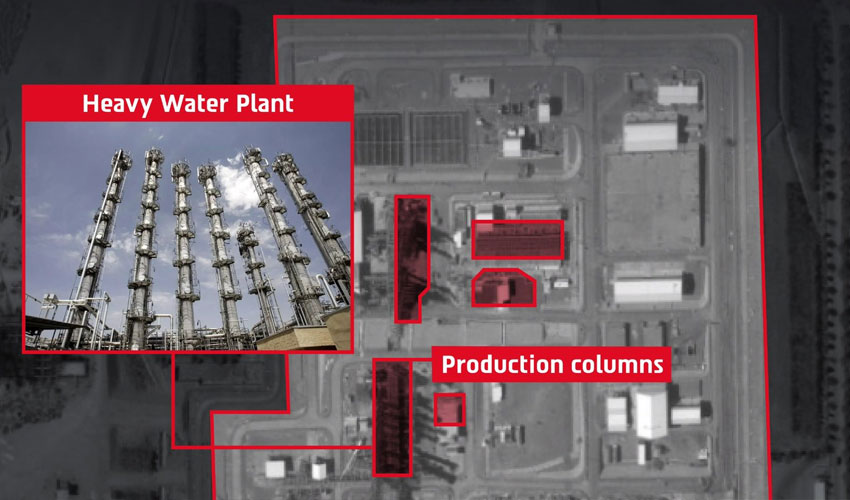
Israel struck key Iranian nuclear and industrial sites on Friday, including a uranium processing facility in Yazd, the Khondab Heavy Water Complex, and two major steel plants, marking another escalatory step in the ongoing US-Israel war on Iran.
Iranian officials warned of retaliation, signaling a new phase in a conflict that has already claimed more than 1,900 lives since February 28.
The Israeli Air Force confirmed it hit a uranium facility used for raw material extraction vital to Iran’s nuclear program, describing it as a “unique facility” in the country’s nuclear infrastructure. Iran’s Atomic Energy Organization reported that there were no casualties or radiation leaks.
Additionally, a projectile landed near the Bushehr Nuclear Power Plant, causing no damage. Other sites hit include the Khuzestan Steel facility and the Mobarakeh Steel complex in Isfahan, as well as areas in Tehran, Kashan, and Ahwaz. Meanwhile, 18 people were killed in Qom during Friday’s attacks.
Foreign Minister Abbas Araghchi vowed a strong response, saying, “Israel has hit two of Iran’s largest steel factories, a power plant, and civilian nuclear sites among other infrastructure. They will pay a heavy price.”
Growing humanitarian concerns
Analysts and humanitarian experts have voiced alarm over the war’s impact on ordinary Iranians. Negar Mortazavi, senior fellow at the Center for International Policy, told Al Jazeera that even critics of the Iranian government increasingly see the strikes as an assault on the Iranian people rather than their leadership.
“Targeting water, electricity, gas, cultural heritage, schools, and hospitals is unacceptable,” she said.
The World Food Programme warned that global food insecurity could rise to 363 million people, up from a pre-war baseline of 318 million, with energy price spikes hitting low-income countries hardest.
#BREAKING Israeli airstrikes target Arak heavy water reactor site in Iran. Part of wider strikes on nuclear infrastructure; details awaited.#IranIsraelConflict #Arak #MiddleEast #Airstrikes #WarUpdate #Israel #Iran pic.twitter.com/nzm5GnBgnF
— upuknews (@upuknews1) March 27, 2026
Escalation warnings from Iran
The IRGC Aerospace Commander, Seyed Majid Moosavi, said the conflict was entering “new territory” and warned employees of US- and Israeli-linked companies in the region to leave immediately. He declared that “the equation will no longer be an eye for an eye,” hinting at potentially broader retaliatory measures.
Strait of Hormuz tensions
Tensions at the Strait of Hormuz also remain high. Iran’s Revolutionary Guard turned back three ships attempting to transit the strait, effectively closing it to vessels linked to its enemies.
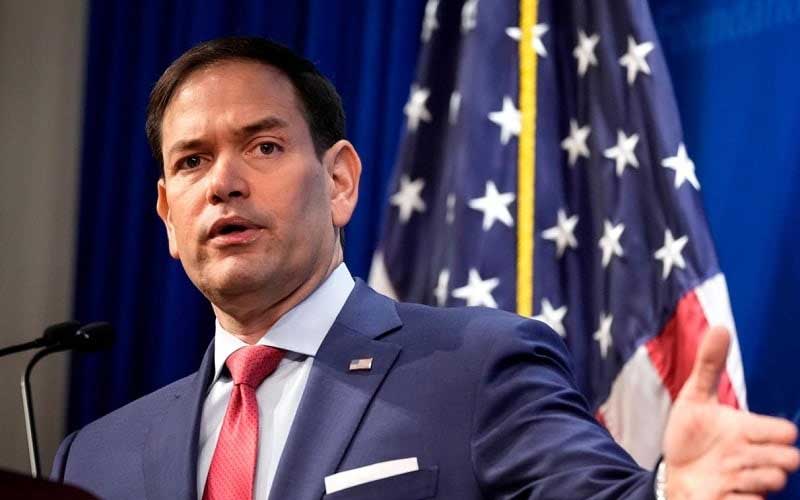
US Secretary of State Marco Rubio called Iran’s plans to impose tolls on shipping “illegal, unacceptable, and dangerous to the world,” adding that he found broad support among G7 allies for confronting the move.
Meanwhile, the United Nations created a task force to ensure continued shipment of essential commodities like fertilizer, and France suggested a tanker escort system might be required once fighting subsides. G7 ministers called for the permanent restoration of “safe and toll-free freedom of navigation” through the strait, in accordance with international law.