






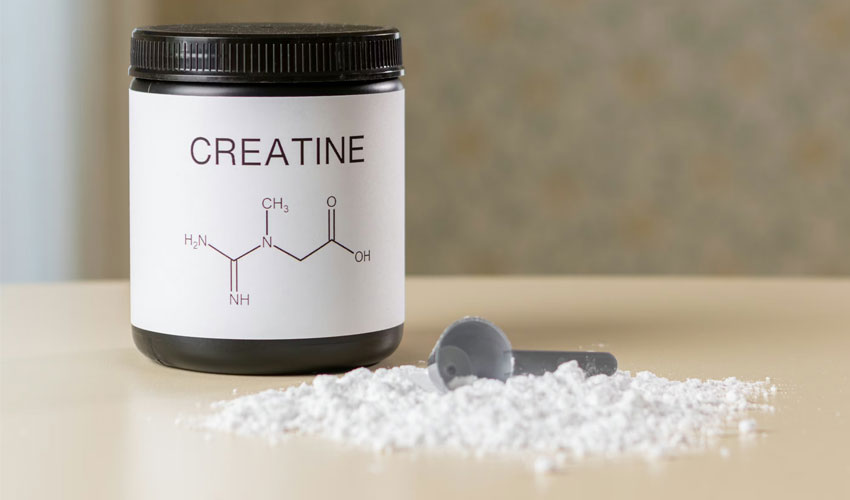
Creatine monohydrate is widely known as a go-to supplement for building strength—but its full potential often goes unnoticed. Beyond the gym, this compound plays a deeper role in both physical and mental performance.
Here are five surprising facts about creatine that many people still don’t know.
Creatine is commonly linked to muscle strength, but it also supports brain function. It helps in the rapid regeneration of ATP, the body’s primary energy source, which is equally important for the brain.
Research suggests that creatine supplementation may improve memory, reduce mental fatigue, and enhance focus—especially during periods of stress or sleep deprivation. This makes it relevant not only for athletes but also for students and professionals.
Backed by decades of scientific research
Unlike many supplements that rely on trends, creatine monohydrate has been studied extensively over the years.
Its benefits are well-documented in areas such as muscle growth, athletic performance, recovery, and even neurological health. Due to its consistent results and safety profile, it is often regarded as one of the most reliable supplements in sports nutrition.
Benefits go beyond gym performance
While creatine is known for improving strength, its impact extends to overall physical performance.
It helps boost power in high-intensity activities, supports endurance during repeated efforts, and aids recovery between workouts. Some findings also indicate its role in rehabilitation, making it useful even outside intense training environments.
The water retention myth explained
A common concern around creatine is weight gain due to water retention. However, this perception is often misunderstood.
Creatine increases intracellular water, meaning it draws water into muscle cells rather than causing bloating under the skin. This contributes to better hydration, improved muscle function, and a fuller muscle appearance—without adding fat.
Creatine is not an artificial compound. The body naturally produces it in the liver, kidneys, and pancreas.
It is also found in foods such as red meat and fish. However, dietary intake alone is usually insufficient to fully saturate muscle stores, particularly for individuals engaged in regular physical activity. This is why supplementation is often considered.