





The Middle East conflict escalated sharply as Yemen’s Houthis launched missiles at Israel for the first time since the Iran war began. The development signals a potential widening of the war, already impacting global energy markets and regional stability.
Yemen’s Iran-aligned Houthis confirmed they launched a barrage of missiles at Israel on Saturday, marking their first direct involvement since the war began on February 28.
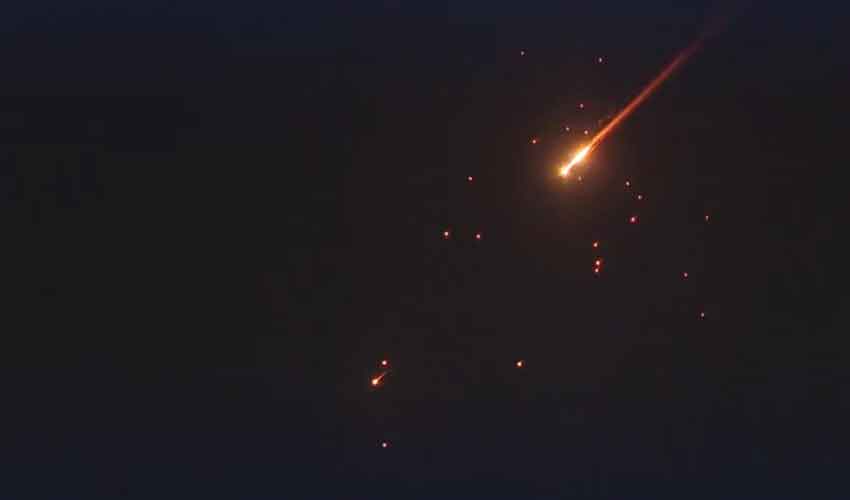
Israel said it intercepted a missile fired from Yemen, preventing major damage. The Houthis warned their operations would continue until what they described as “aggression” across multiple fronts comes to an end.
Conflict spreads across Middle East
The war, triggered by US and Israeli strikes on Iran, has now entered its fifth week and expanded across the region. Thousands have been killed, while energy supplies have faced unprecedented disruption, fueling global inflation fears.
The Houthis’ involvement raises concerns about the opening of a new front, particularly around critical maritime routes like the Bab al-Mandab Strait, a key gateway to the Suez Canal.
The Houthis have demonstrated the ability to strike targets far beyond Yemen and disrupt shipping lanes in the Red Sea and Arabian Peninsula.
Also Read: Saudi, Turkish, Egyptian FMs to visit Islamabad tomorrow for talks
With Iran already impacting the Strait of Hormuz — a route carrying about a fifth of global oil and gas — any further escalation could severely affect international trade and energy supplies.
US signals timeline for military operations
US Secretary of State Marco Rubio said Washington expects to conclude military operations within weeks, not months, and is “on or ahead of schedule.” He urged European and Asian nations benefiting from Hormuz trade routes to contribute to securing safe passage, highlighting growing pressure on global allies.
Also Read: Rubio denounces Iran toll plan and West Bank settler violence
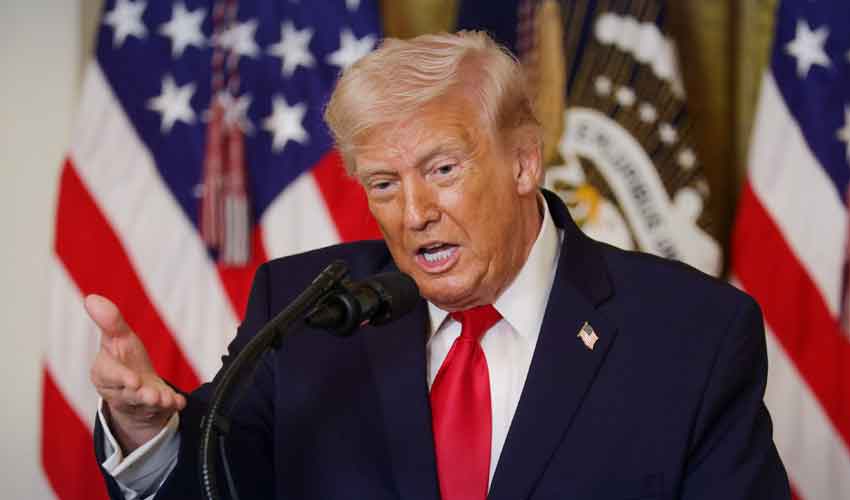
The war has exposed divisions between the United States and its traditional allies, many of whom have stayed on the sidelines. President Donald Trump questioned NATO support, suggesting the lack of backing could reshape US commitments to the alliance.
Ground war fears
Despite ruling out immediate ground operations, the US has deployed thousands of Marines and is preparing to send elite airborne troops to the region. These moves have raised concerns that the conflict could evolve into a prolonged ground war if tensions continue to escalate.
Iran launched multiple missile waves at Israel overnight, killing one person and causing damage in Tel Aviv through cluster munitions and debris.
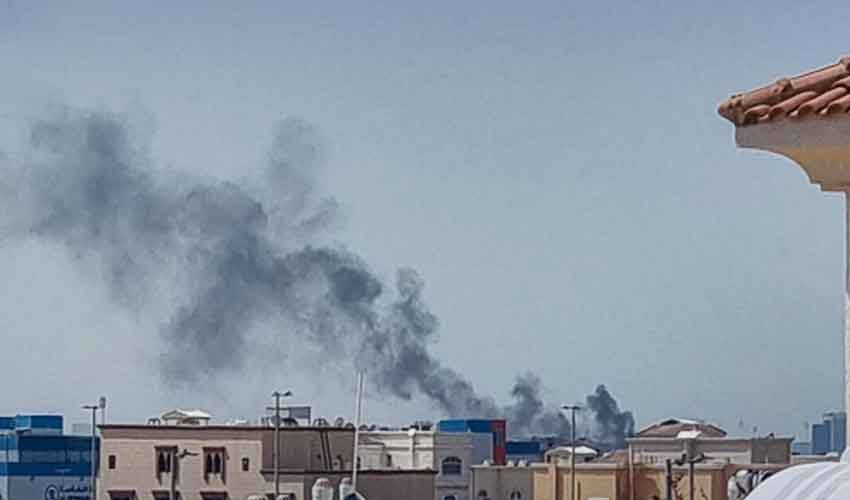
An Iranian strike on a Saudi air base wounded 12 US personnel, while missile attacks in the UAE and Bahrain injured civilians and sparked fires near Abu Dhabi’s Khalifa Port.
Also Read: Iran allows 10 Pakistan-flagged oil tankers through Hormuz: Trump
Meanwhile, a US-Israeli strike in Iran’s Zanjan city killed at least five people and injured seven, with additional damage reported at a university in Tehran.
Economic impact deepens
Global markets reacted sharply, with Brent crude rising above $112 per barrel — more than 50% higher since the war began. In the United States, diesel prices reached record highs, intensifying political pressure on the administration amid inflation concerns.
While President Trump has pointed to ongoing negotiations with Iran, Tehran has denied any direct talks with Washington.
Countries like Pakistan, Egypt, and Turkey have been involved in relaying messages between the sides, though experts remain skeptical about the prospects for immediate dialogue.
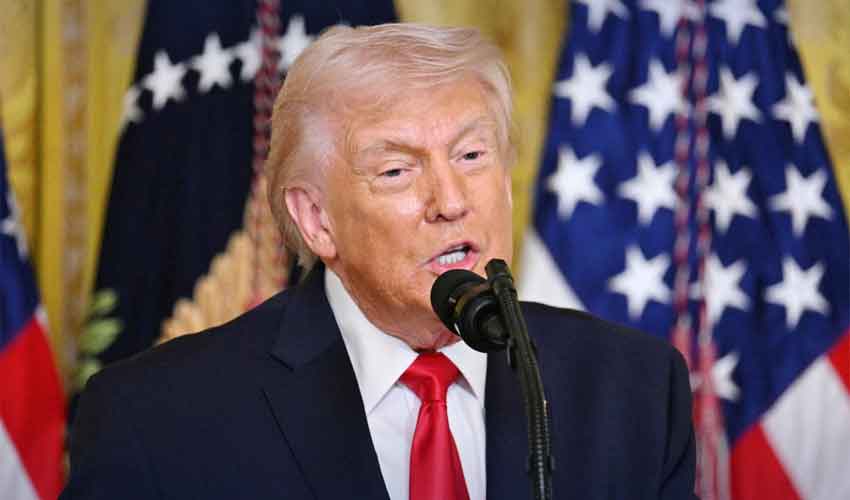
Trump recently extended a deadline by 10 days for Iran to reopen the Strait of Hormuz or face attacks on key energy infrastructure. Despite this, US and Israeli strikes on Iran have continued, keeping the region on edge as diplomatic and military tracks unfold simultaneously.