




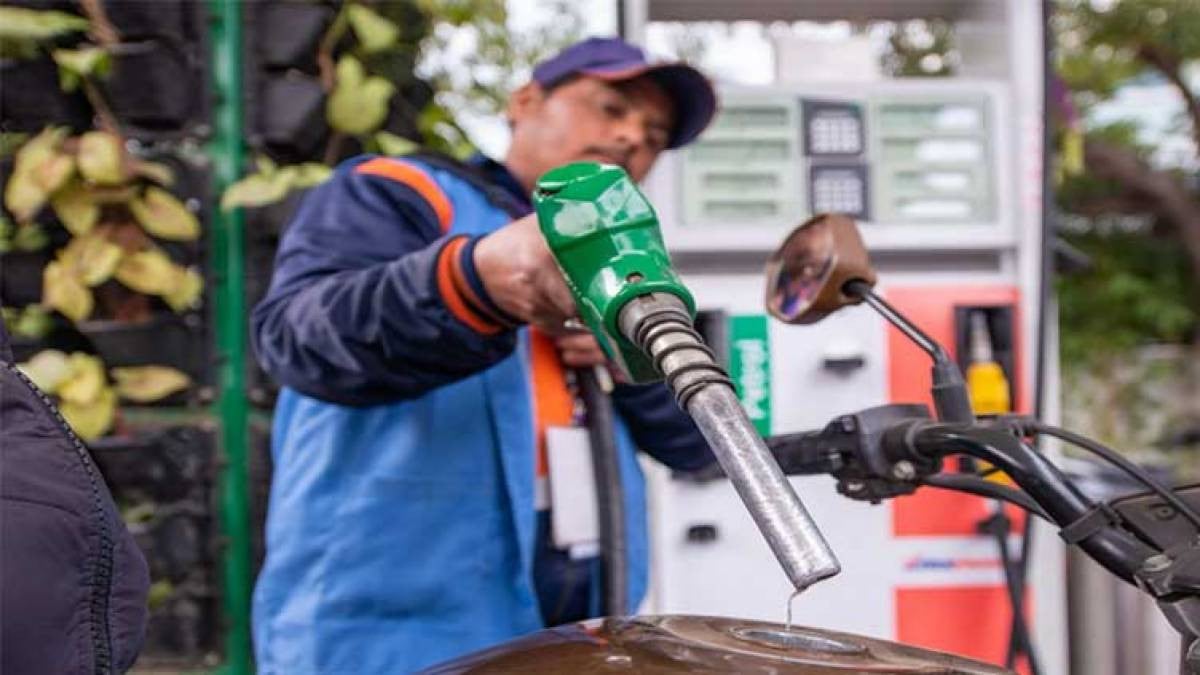
The government has decided to maintain petrol and high-speed diesel prices despite rising global rates. However, consumers will see an increase in kerosene oil prices following a new notification.
The government has announced that the prices of petrol and high-speed diesel will remain unchanged for the next week.
According to the Petroleum Division’s notification, petrol will continue to be sold at Rs321.17 per litre, while high-speed diesel will remain at Rs335.86 per litre.
Officials stated that the government has chosen not to pass on the impact of rising global petroleum prices to the public. Instead, the government will bear the financial burden and pay the price difference to oil marketing companies itself, as confirmed in the official notification.
Kerosene price increased
In contrast, the price of kerosene oil has been increased by Rs4.66 per litre. The Oil and Gas Regulatory Authority (OGRA) has fixed the new kerosene price at Rs433.40 per litre.
Last week, kerosene oil was priced at Rs428.74 per litre. With the latest increase, consumers using kerosene will face higher costs despite relief on petrol and diesel.
Also Read: PM Shehbaz rejects proposed petrol, diesel price hike
The Petroleum Division issued the notification following the prime minister’s announcement to maintain fuel prices. The revised prices, including the kerosene increase, will come into effect from midnight and remain applicable for the next week.
Relief for public over global oil prices
Meanwhile, an important meeting on petroleum product prices was chaired by Federal Finance Minister Muhammad Aurangzeb. During the meeting, it was agreed that immediate relief would be provided to the public if global oil prices decline.
The finance minister emphasized the importance of data-driven decision-making and transparency. It was also decided to further strengthen cooperation between the federal government and the provinces.
The review meeting was held in the context of rising tensions in the Middle East. According to the Ministry of Finance, participants agreed to soon finalize a system for targeted subsidies.
Officials noted that the supply of petroleum products in the country remains stable and sufficient. The meeting also reviewed proposals to use technology for implementing targeted subsidies.
According to the ministry, provincial representatives stressed the need for lifestyle changes to conserve fuel. Khyber Pakhtunkhwa officials stated that oil supply management in the province is better than in other parts of the region.
The meeting was informed that the government has limited financial capacity and must make careful economic decisions. It was also highlighted that the petroleum levy remains a major source of revenue.
Finance Minister Muhammad Aurangzeb underscored the need for subsidy reforms, instructing authorities to maintain economic stability while ensuring relief for the public.