





A sharp escalation in Middle East tensions saw an oil tanker set ablaze near Dubai and multiple drone and missile attacks across the region.
The incidents come amid ongoing conflict involving Iran, the US, and Israel, raising fears of wider instability and economic fallout.
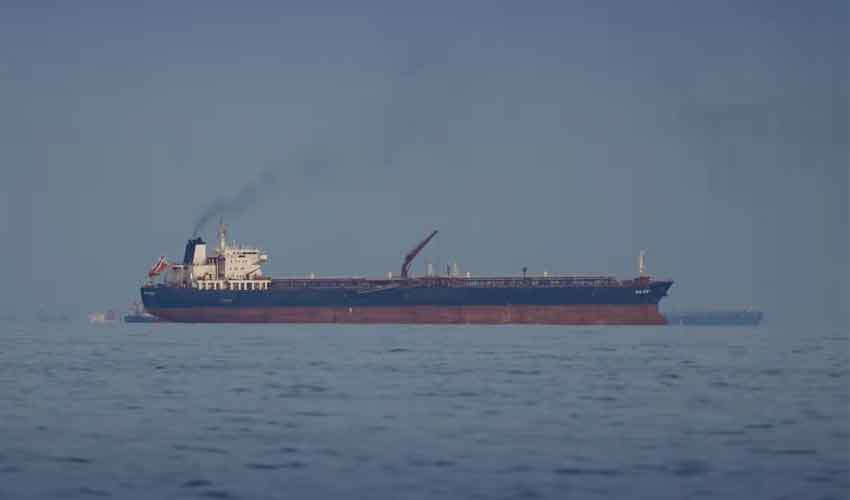
A fully loaded crude oil tanker, the Kuwait-flagged Al-Salmi, was attacked off the coast of Dubai, triggering a major fire. The vessel, capable of carrying nearly two million barrels of oil worth over $200 million, sustained hull damage during the incident.
Kuwait Petroleum Corp confirmed the attack occurred early on Tuesday, while UAE authorities said the fire -- caused by a drone strike -- was later brought under control. Despite the severity of the incident, no injuries were reported among the crew.
Also Read: Iran will end war on its own terms: President
The attack is part of a broader wave of assaults on commercial shipping in the Gulf and Strait of Hormuz since late February.
Oil prices surge
Global oil markets reacted immediately, with crude prices briefly spiking following the tanker attack. Supply disruptions have pushed US crude prices above $101 per barrel.
In the United States, gasoline prices crossed $4 per gallon for the first time in more than three years, adding pressure on household budgets. The rising costs are also becoming a political challenge for President Donald Trump ahead of upcoming midterm elections.
Drone strike hits Sharjah facility
In a separate incident, a drone -- reportedly launched from Iran -- targeted the administrative building of Thuraya Telecommunications Company in Sharjah’s Central Region.
Authorities confirmed that no injuries or casualties occurred, and emergency teams quickly secured the site. Officials urged residents to remain calm and avoid spreading unverified information, emphasizing that updates would be provided through official channels.
The UAE Defense Ministry also confirmed that air defense systems were actively intercepting incoming missile and drone threats across the country.
Also Read: Thousands of US Army paratroopers arrive in Middle East
Earlier the same day, UAE air defenses intercepted 11 ballistic missiles and 27 drones launched from Iran. Since the conflict began, the UAE has engaged hundreds of threats, including 425 ballistic missiles and nearly 2,000 UAVs.
Additionally, drone debris in Dubai caused a house fire, injuring four people, according to the Dubai Media Office.
The conflict, ongoing for over a month, has spread across the Middle East with growing intensity. Iran-aligned Houthis have launched missiles and drones at Israel, while Turkey reported intercepting a ballistic missile that entered its airspace.
Israel has conducted strikes in Tehran and Beirut, targeting military infrastructure and Hezbollah-linked sites. Explosions were reported across Tehran, with power outages in some districts following the attacks.
Also Read: Trump threatens strike on Iran’s energy sites despite talks
Casualties are mounting, with Israeli forces reporting the deaths of four soldiers in southern Lebanon, alongside earlier fatalities of UN peacekeepers.
US deploys troops as talks continue
Thousands of US troops from the 82nd Airborne Division have begun arriving in the region, expanding Washington’s military options, including the possibility of a ground operation in Iran.
At the same time, diplomatic efforts are ongoing. The White House said talks with Iran are progressing, though differences remain between public statements and private negotiations.
Iran confirmed receiving peace proposals via intermediaries but rejected them as “unrealistic” and “excessive,” insisting it is focused on defending itself.
Trump issues fresh warning over Hormuz
President Trump warned that if Iran does not reopen the Strait of Hormuz by April 6, the US could launch devastating strikes on Iran’s energy infrastructure. He threatened to “obliterate” oil wells, power plants, and key facilities, including Kharg Island, in a social media post.
Despite the warning, reports suggest Trump may consider ending the military campaign even if the strait remains partially closed, a move that has helped stabilize markets slightly.
Also Read: Iran calls US peace proposals 'unrealistic'; oil price rises
The US administration is also weighing asking Arab nations to share the financial burden of the war, while seeking an additional $200 billion in funding -- facing resistance in Congress.
With global energy supplies at risk and tensions escalating, the situation continues to threaten both regional stability and the global economy.



.jpg)