




Pakistan’s tax authorities are grappling with a widening revenue gap as the Federal Board of Revenue (FBR) faces a shortfall exceeding Rs600 billion.
At the same time, the IMF has presented a fresh set of strict conditions ahead of the upcoming budget.
The Federal Board of Revenue is facing a growing tax collection gap, with fears that the shortfall in the first nine months of the fiscal year could exceed Rs600 billion.
Earlier data shows that despite reducing the annual tax target by Rs152 billion -- from Rs14,131 billion to Rs13,979 billion -- the FBR still recorded a deficit of Rs428 billion in just the first eight months.
In March alone, the situation remained challenging. FBR officials confirmed that more than Rs865 billion has been collected so far, while the monthly target stands at Rs1,367 billion.
Officials attribute the slowdown to reduced imports due to ongoing conflict and rising global oil prices, which have negatively impacted business activity across the country.
IMF proposes higher tax target
As Pakistan prepares its next budget, the International Monetary Fund has proposed a significant increase in revenue expectations. The IMF has suggested raising the tax target by more than Rs1,620 billion, taking it beyond Rs15,600 billion for the upcoming fiscal year.
IMF demands GST on fuel
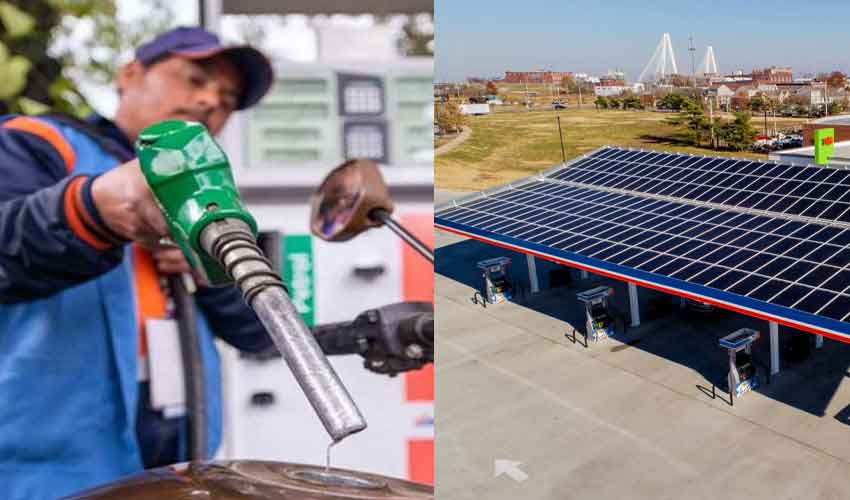
Among the key conditions, the IMF has called for the imposition of an 18% General Sales Tax (GST) on petroleum products, including petrol.
Currently, petroleum products are exempt from GST, with the tax rate set at zero. The proposed change could significantly increase fuel prices and impact inflation.
Solar users, property sector under scrutiny
The IMF has also demanded the imposition of an 18% tax on solar energy consumers, a move that could affect households and businesses shifting toward renewable energy.
In addition, the global lender has proposed abolishing tax exemptions on new homes, potentially impacting the construction and real estate sectors.
Another proposal under consideration is the introduction of an asset-based tax system targeting small businesses and traders. This measure aims to broaden the tax base and bring more sectors into the formal economy.
Despite the widening shortfall, FBR officials remain hopeful of covering part of the deficit through the collection of super tax and additional surcharges.
Meanwhile, Finance Ministry officials confirmed that further negotiations with the IMF will take place before the announcement of the new budget.
With declining revenues, rising energy costs, and stricter IMF conditions, the government faces mounting pressure to stabilize the economy.
The coming budget is expected to include difficult fiscal decisions as authorities attempt to meet ambitious revenue targets while managing public and political challenges.


.jpg)