




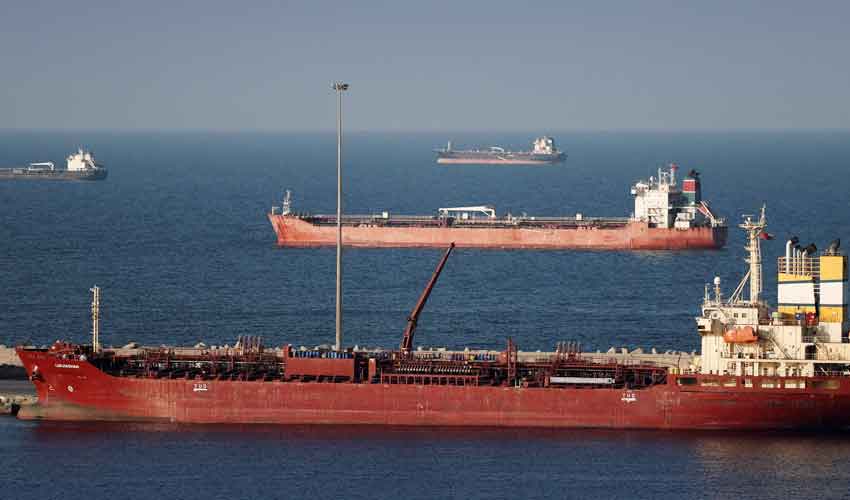
Global markets are facing an unprecedented energy shock after the closure of the Strait of Hormuz disrupted oil and gas supplies. The crisis is already impacting countries like Pakistan, with fears of soaring prices and widespread shortages.
The closure of the Strait of Hormuz has pushed the world into what is being described as the biggest oil crisis in history.
According to Bloomberg, global oil supply has dropped by around 11 million barrels per day, significantly tightening availability across international markets.
Amid the supply shock, American media reports warn that oil prices could skyrocket to as high as $200 per barrel. Experts believe that further price increases may even be encouraged to curb demand, highlighting the severity of the crisis.
Asia faces severe fuel shortages, Pakistan impacted
The energy crunch is being felt most acutely in Asia, where several countries, including Pakistan, are experiencing severe fuel shortages. The disruption in supply chains has made it increasingly difficult for economies dependent on imports to maintain stable fuel availability.
Also Read: IMF demands: Petrol, solar power prices may see massive hike
The situation is not limited to oil alone. Bloomberg reports that liquefied natural gas (LNG) supplies have also been affected, pushing the global gas crisis to its peak.
This has intensified energy insecurity worldwide, especially in regions reliant on LNG imports.
Europe at risk of diesel shortages
The report further highlights growing concerns in Europe, where the risk of diesel shortages has increased significantly. This adds another layer of pressure on global energy markets already strained by supply disruptions.
The ongoing crisis is fueling global inflation, with rising energy costs putting additional strain on economies. Bloomberg warns that if the US-Israel war with Iran continues, it could deliver a major shock to the global economy.
Countries adopt fuel rationing
In response to the worsening situation, several countries have started implementing fuel-saving measures and rationing to manage limited supplies. These steps reflect the seriousness of the crisis and the urgency to control consumption.
Saudi Arabia and the United Arab Emirates are attempting to offset the disruption by increasing supply through alternative routes. However, these efforts may not fully compensate for the loss of flows through the Strait of Hormuz.
Countries are also tapping into global oil reserves to ease immediate pressure. However, Bloomberg cautions that this is only a temporary solution and not a sustainable long-term fix for the ongoing energy crisis.
Uncertainty over global economy
With supply disruptions, rising prices, and geopolitical tensions escalating, uncertainty continues to dominate global markets. The longer the conflict persists, the greater the risk of prolonged economic instability and deeper energy shortages worldwide.


.jpg)