






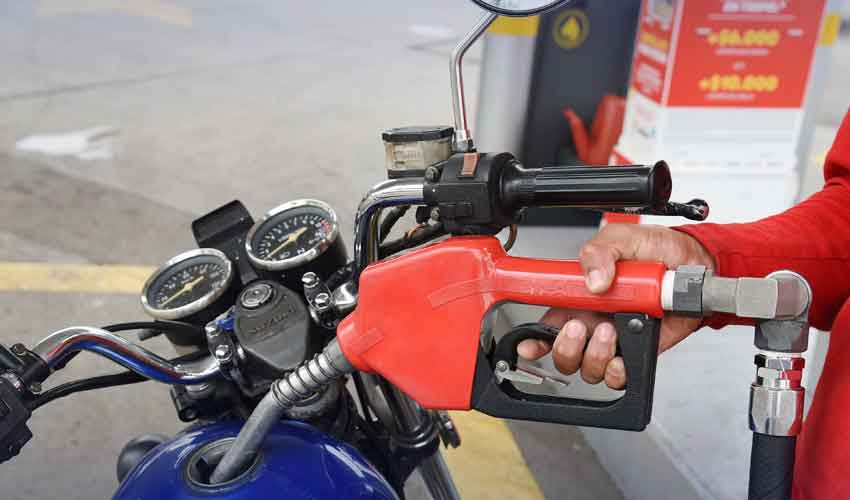
Fuel prices in the United Arab Emirates are set to rise sharply from April 1, driven by surging global oil prices and escalating tensions in the Middle East. The increase is expected to impact transport costs and overall economic activity.
The UAE Fuel Price Committee has announced new petrol and diesel rates for April 2026, with increases ranging between 30% and 70%.
Diesel will see the sharpest rise, jumping by around 72% to 4.69 dirhams per litre, up from 2.72 dirhams. Super 98 petrol will increase by approximately 30% to 3.39 dirhams per litre, while Special 95 petrol will rise by 32% to 3.28 dirhams.
E-Plus petrol will also record a 33.3% increase, reaching 3.20 dirhams per litre.
Global oil surge driving price hike
The sharp increase in fuel prices comes amid a significant rise in global oil markets, where prices have climbed by roughly 40% in recent weeks.
The surge has been largely driven by geopolitical tensions in the Middle East, particularly the ongoing conflict involving the US, Israel, and Iran. The conflict began on February 28 and has since disrupted energy markets worldwide.
Concerns over supply have intensified following the closure of the Strait of Hormuz, a key global energy route through which around 20% of the world’s oil passes daily.
Attacks on energy infrastructure in Iran and Qatar have further worsened supply fears, adding upward pressure on oil prices.
Fuel prices in the UAE are directly tied to international markets following deregulation in 2015. The UAE Fuel Price Committee adjusts rates monthly based on global crude and refined fuel costs, meaning local prices closely follow international oil trends.
The increase in fuel prices is expected to raise transportation costs and lead to higher prices for goods and services across the country. Economic activity may also feel pressure as rising energy costs affect both businesses and consumers.
Markets remain on edge
Authorities and markets are closely monitoring the situation, as continued instability in the Middle East could sustain or further intensify fuel price pressures in the coming weeks.
With global energy routes under strain, uncertainty remains high in international oil markets.


.jpg)