





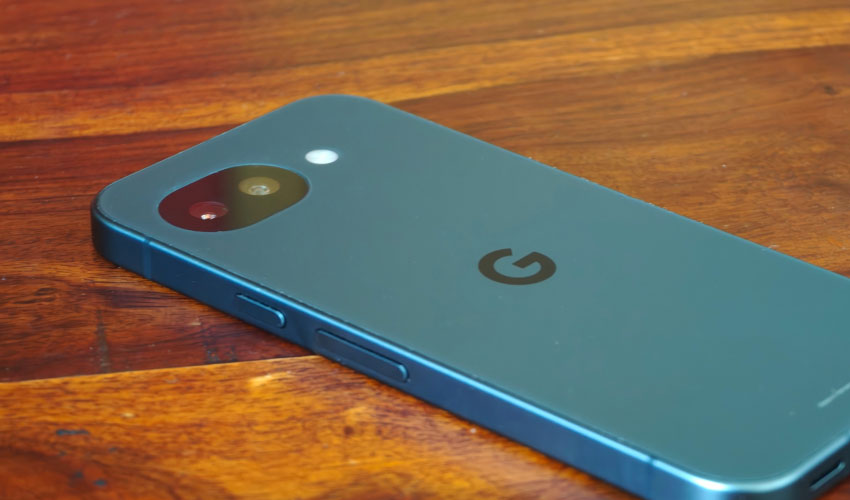
Google has taken a bold design step with the Pixel 10a by removing the camera bump entirely. The result is a flat, practical smartphone that prioritizes usability without straying far from its predecessor.
For years, smartphone brands have pushed larger camera bumps in pursuit of better photography. With the Google Pixel 10a, Google flips that trend by offering a completely flat back.
This change improves everyday usability, allowing the phone to sit evenly on surfaces — a small but meaningful upgrade for users tired of wobbling devices.
Design-wise, the Pixel 10a remains close to the Google Pixel 9a, which already featured a minimal camera bump.
The device comes in multiple color options, including black, Lavender, Berry, and Fog, giving users some variety without altering the overall aesthetic.
The phone retains a 6.3-inch display but significantly boosts brightness to 3,000 nits using Google’s Actua display technology.
It also supports a 120Hz refresh rate, although it is set to 60Hz by default — users need to manually enable the smoother experience in settings.
Battery and build improvements
Compared to the base Google Pixel 10, the Pixel 10a offers a slightly larger 5,100 mAh battery.
While the flagship model uses premium materials like Gorilla Glass Victus 2, the 10a opts for a plastic back and Gorilla Glass 7i on the front to keep costs down.
Despite that, battery life easily lasts a full day with regular usage, including apps, video streaming, and light gaming.
The Pixel 10a runs on Google’s Tensor G4 chip — the same processor used in the Pixel 9a — meaning there are no noticeable performance upgrades this year.
With 8GB RAM, the phone handles daily tasks well, but it falls short when compared to devices powered by newer chips, especially in multitasking scenarios.
Due to hardware limitations, the Pixel 10a misses out on several advanced AI features available in newer Pixel devices.
These include notification summaries, Magic Cue, call notes, and on-device translation. It also cannot run the updated Gemini Nano AI model.
However, Google may introduce some features later through its Pixel Drop updates.
Camera performance
The Pixel 10a sticks with a 48MP main camera and a 13MP ultra-wide lens.
While the main sensor performs well in most lighting conditions, the ultra-wide camera struggles with detail and lacks autofocus.
AI-powered features like Camera Coach and Auto Best Take enhance the photography experience, especially for casual users.
Charging speeds have improved slightly, with faster wired charging compared to its predecessor.
Wireless charging also gets a bump, though it still lags behind the Pixel 10’s capabilities.
A notable addition is improved file sharing, allowing seamless transfers between Android devices and Apple’s ecosystem — similar to AirDrop.
Google promises seven years of software updates for the Pixel 10a, ensuring long-term usability.
This includes Android updates, security patches, and feature drops — a major selling point in the mid-range segment.
Price and competition
Priced at $499, the Pixel 10a offers strong value for users looking for a clean Android experience with reliable battery life and display quality.
However, competitors like the Nothing Phone 4a Pro offer tougher competition with better specs, including faster charging and a more powerful processor.