




China has reaffirmed its shared stance with Pakistan on global conflicts, calling for peace and restraint as tensions over Iran continue to escalate.
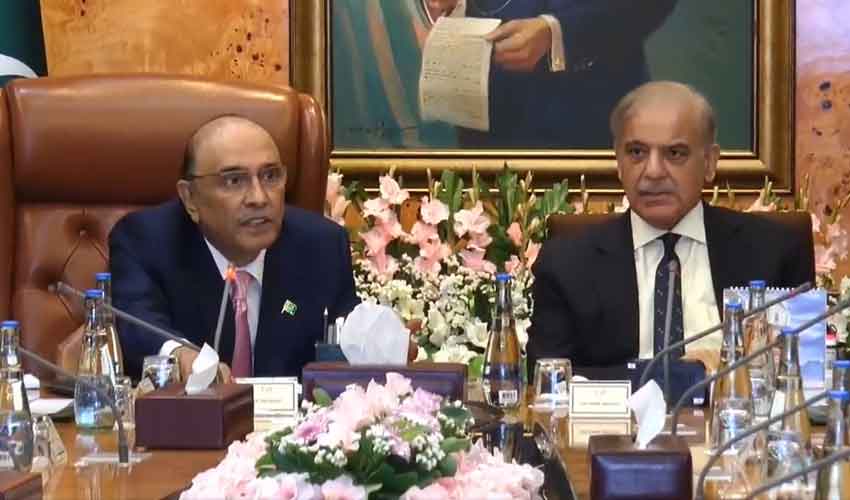
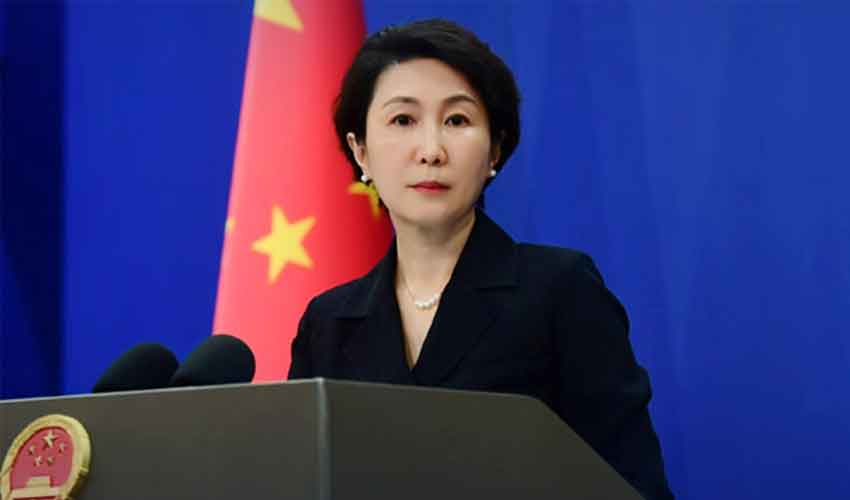
At a press briefing in Beijing, a Chinese Foreign Ministry spokesperson said China and Pakistan hold the same position on major global disputes. She emphasized that both countries believe in peace and justice and are committed to playing a role in promoting peace and ending war.
The spokesperson confirmed that the foreign ministers of Pakistan and China will discuss the situation in Iran during their meeting. These discussions are expected to focus on regional stability and evolving geopolitical tensions.
China urges halt to US, Israel attacks
China called on the United States and Israel to immediately stop their attacks on Iran. The spokesperson strongly condemned the destruction of historical sites and attacks on nuclear facilities, describing them as deeply concerning developments.
In response to a media inquiry on Pakistani Deputy Prime Minister and Foreign Minister Mohammad Ishaq Dar's third visit to China in three months, and whether it is related to the situation in Iran, Chinese Foreign Ministry spokesperson Mao Ning stated on Tuesday that China and… pic.twitter.com/woa8tgFpL3
— Global Times (@globaltimesnews) March 31, 2026
Beijing urged all parties involved to exercise restraint and prevent further escalation of tensions in the region. China reiterated its commitment to making constructive efforts aimed at restoring peace and stability.
Strait of Hormuz tensions
The spokesperson highlighted the importance of the Strait of Hormuz, describing it as a critical route for global trade and energy supplies. The waterway has effectively remained shut since the start of the US-Israeli war with Iran on February 28, causing widespread disruptions.
Despite the risks, three Chinese ships recently passed through the Strait of Hormuz after coordination with relevant parties. Ship-tracking data showed that two Chinese container vessels successfully exited the Gulf on Monday on their second attempt after turning back earlier.
Also Read: Injured Ishaq Dar visits China to discuss Iran, regional issues
They sailed in close formation at elevated speeds into open waters, becoming the first container ships to leave the Persian Gulf since the conflict began, excluding Iranian vessels.
Global energy impact
Iran’s attacks on Gulf shipping and threats of further action have stranded hundreds of vessels and around 20,000 seafarers in the region. Energy exports, including Saudi crude oil and liquefied natural gas from Qatar, have been severely disrupted.
While some ships continue to pass through, most energy shipments have been limited, with Iranian exports making up the majority of movements.
A Greek-operated tanker carrying Saudi crude to India recently exited the Gulf, marking one of the few successful crossings. The vessel, operated by Dynacom, was among only a handful willing to risk the journey amid threats from mines, missiles, and drones.
Alternative shipping strategies
Shipping companies have adopted unusual tactics to navigate the dangerous waters, including switching off tracking systems and traveling at night to avoid detection. Indian-flagged LPG tankers have also managed to cross the strait in recent days, carrying essential fuel supplies.
China reiterated its call for an immediate ceasefire and restoration of peace in the Gulf region. Officials stressed the need to stabilize the situation to protect global trade routes and energy supplies.


.jpg)