





In a significant regional development, Iran has agreed to allow 20 Pakistani ships to pass through the Strait of Hormuz, easing restrictions on a critical trade route.
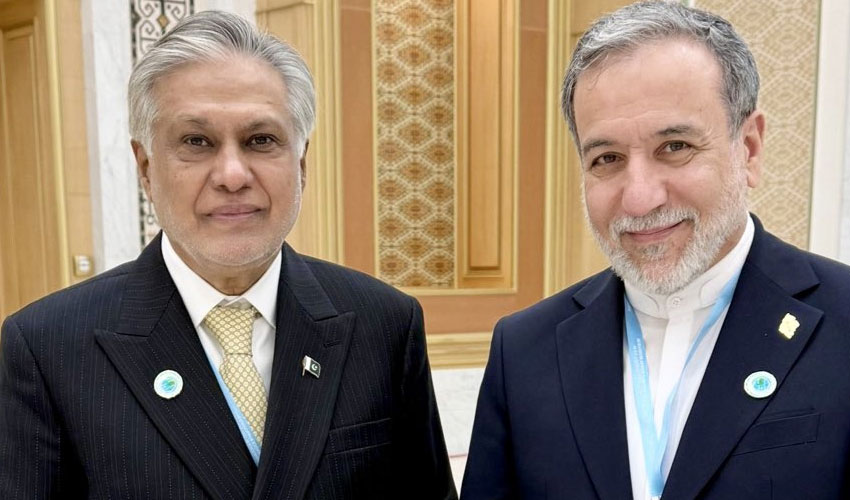
The news, shared by Pakistan’s Deputy Prime Minister and Foreign Minister Ishaq Dar, was amplified globally after US President Donald Trump highlighted the tweet on social media.
Senator Ishaq Dar announced that Tehran will permit two Pakistani ships to traverse the strait daily, bringing the total to 20 additional vessels under Pakistan’s flag.
Dar described the decision as a “welcome and constructive gesture” by Iran, calling it a positive signal for peace and regional stability.
“This positive announcement marks a meaningful step toward peace and will strengthen our collective efforts in that direction,” he added, emphasizing that dialogue and diplomacy remain the only way forward.
The Strait of Hormuz is a vital passage for global oil shipments, and recent hostilities had severely disrupted maritime trade.
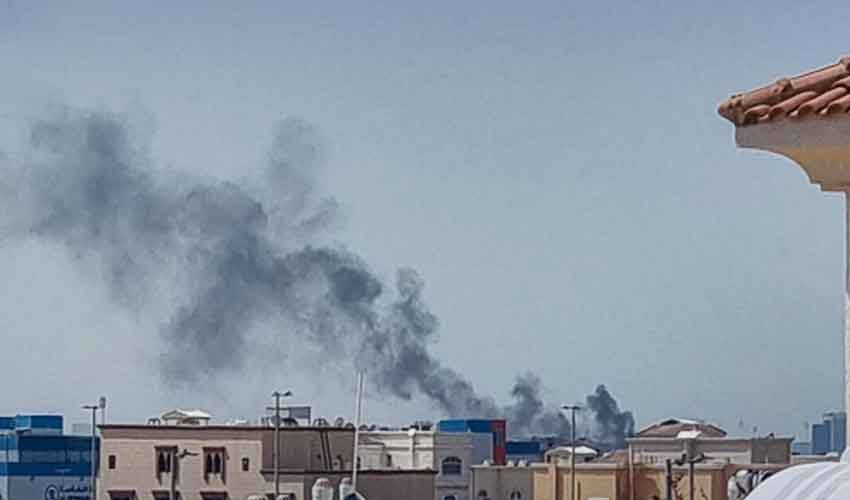
Since the outbreak of conflict in the region, nearly 16 attacks have damaged at least 17 commercial ships, leaving around 1,900–2,000 vessels stranded, according to Reuters.
I am pleased to share a great news that the Government of Iran has agreed to allow 20 more ships under the Pakistani flag to pass through the Strait of Hormuz; two ships will cross the Strait daily.
— Ishaq Dar (@MIshaqDar50) March 28, 2026
This is a welcome and constructive gesture by Iran and deserves appreciation. It…
Iranian assurances have allowed a few ships, including those under Pakistani and Indian flags, to pass safely, highlighting the strategic value of the corridor.
Pakistan’s role as mediator
Pakistan has emerged as a key facilitator between Iran and the United States amid ongoing tensions.
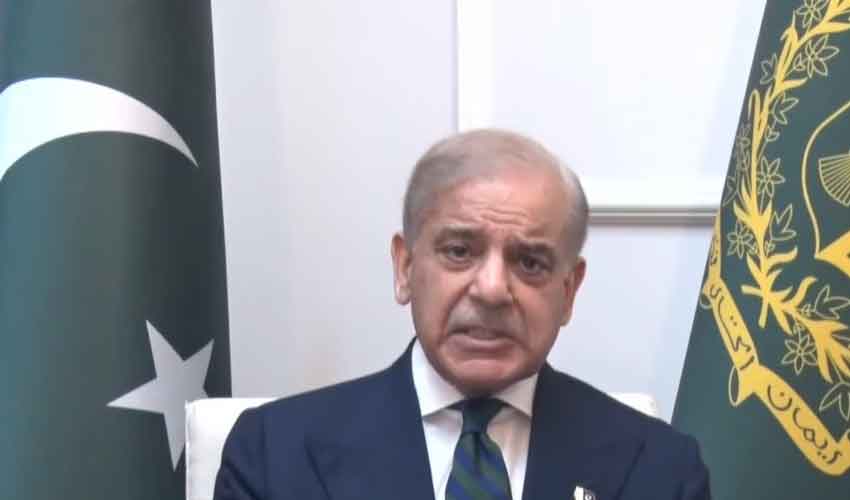
Prime Minister Shehbaz Sharif recently spoke with Iran’s president, while foreign ministers from Saudi Arabia, Egypt, and Turkey gathered in Islamabad to discuss de-escalation measures.
The two-day meeting will focus on regional stability and may position Islamabad as a potential venue for future US-Iran negotiations.
.jpg)