





Pakistan is taking center stage in efforts to de-escalate tensions in the Middle East, hosting a critical four-nation meeting of Muslim leaders.
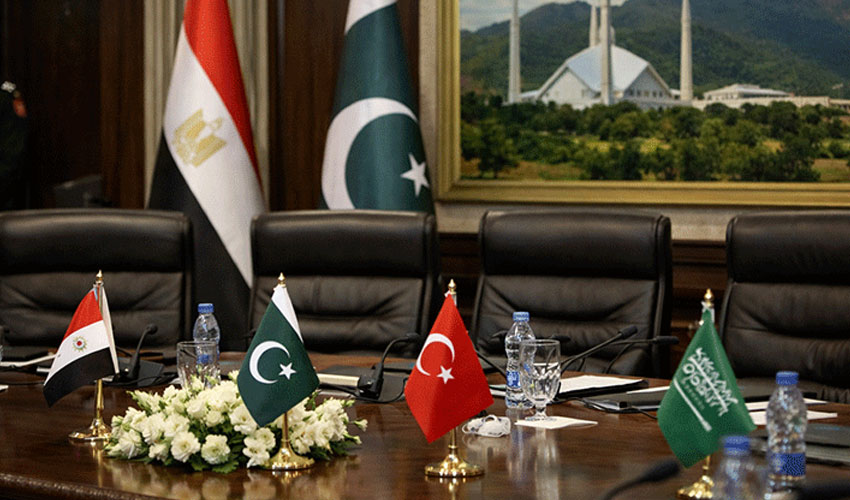
The discussions, involving Saudi Arabia, Turkiye, Egypt, and Iran, aim to promote dialogue, regional stability, and peace.
Deputy Prime Minister and Foreign Minister Senator Ishaq Dar has been actively facilitating communication between Iran and other regional actors. Last night, he spoke with Iranian Foreign Minister Abbas Araqchi to discuss the latest developments.
Dar highlighted a significant breakthrough, announcing that Iran will allow 20 additional Pakistani ships to pass through the strategic Strait of Hormuz, two vessels per day. He described this as a “harbinger of peace” and a positive step toward stability in the region.
Four-nation meeting in Islamabad
Foreign ministers of Saudi Arabia, Turkiye, and Egypt arrived in Islamabad to participate in a two-day consultation on March 29–30. The meetings were initially planned for Turkiye but were shifted to Pakistan due to scheduling constraints.
The discussions will cover reducing military tension, fostering regional peace, and strengthening cooperative efforts. Participants will also meet Prime Minister Shehbaz Sharif for broader talks on stability and mutual collaboration.
Pakistan’s role as a mediator
Islamabad has positioned itself as a crucial intermediary in ongoing US-Iran conflicts, facilitating indirect talks and relaying messages. Recent engagements include communication between Pakistan’s military leadership and US officials, aiming to bring both sides to dialogue.
Dar emphasized that Pakistan is committed to resolving disputes with honesty and transparency while maintaining discretion due to the sensitive nature of ongoing negotiations.
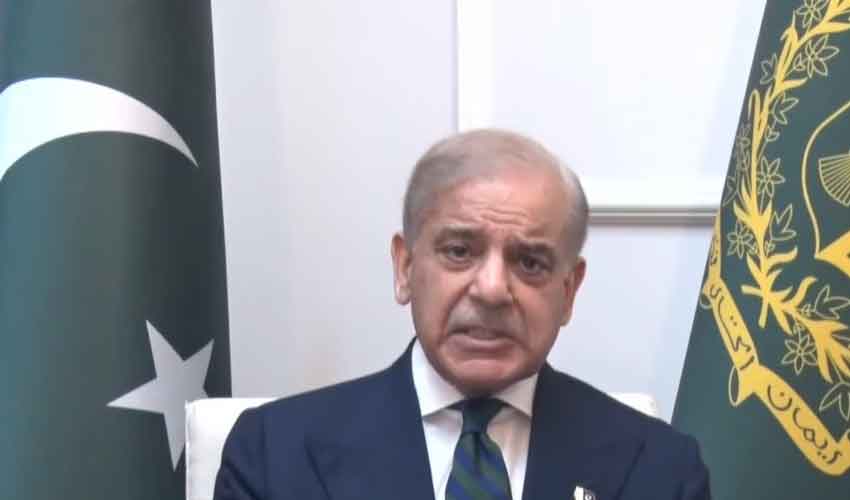
Prime Minister Shehbaz Sharif spoke with Iranian President Masoud Pezeshkian for over an hour, condemning Israeli attacks on Iran and reaffirming Pakistan’s solidarity with the Iranian people.
He also updated the Iranian president on Pakistan’s diplomatic outreach to the US, Gulf states, and other Islamic countries, highlighting the country’s proactive role in promoting dialogue and confidence-building measures.
.jpg)