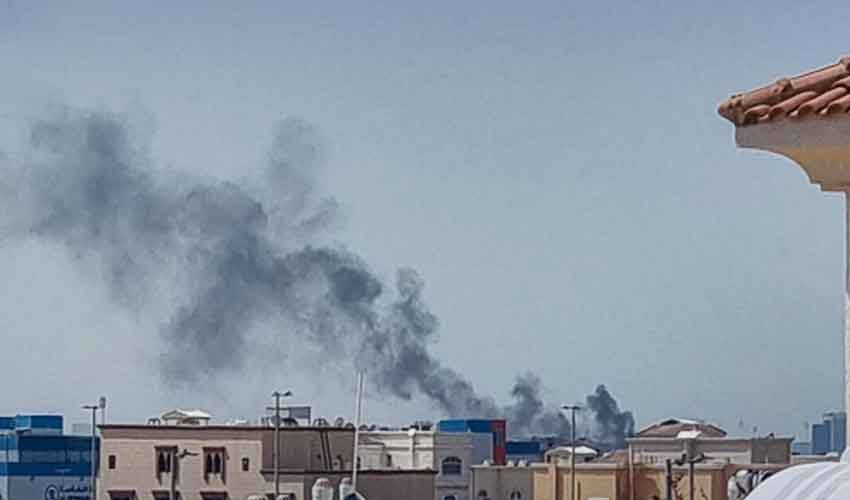






Yemen’s Houthi rebels confirmed a second missile and drone strike on southern Israel today, marking a significant escalation in the widening Middle East conflict.
The attacks come amid ongoing Iranian and Hezbollah operations and the arrival of U.S. forces in the region.
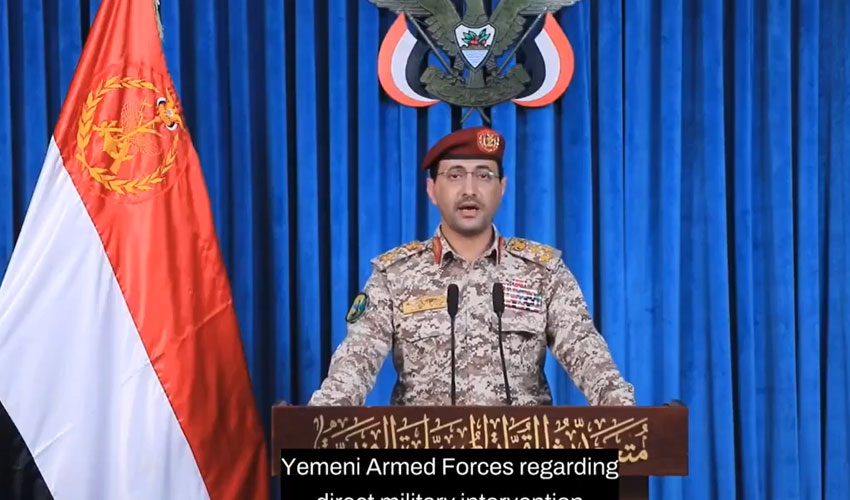
Yahya Saree, spokesperson for Yemen’s Houthi Armed Forces, announced that the group targeted “several vital military sites” in southern Israel. He said the operation “coincided” with Iranian and Hezbollah attacks and successfully achieved its objectives.
Saree also warned that further strikes would continue “until the criminal enemy ceases its attacks and aggression,” signaling that Yemen may remain active in the ongoing conflict. Earlier, Israeli authorities reported intercepting a missile launched from Yemen.
Regional escalation and US military response
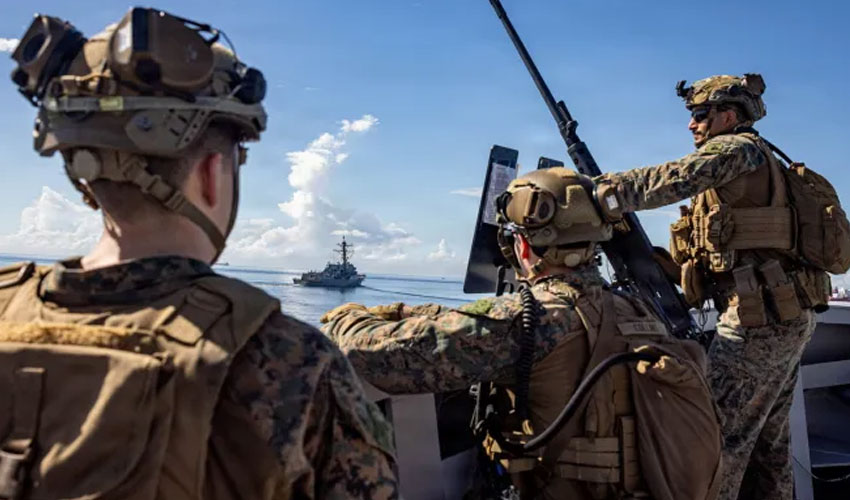
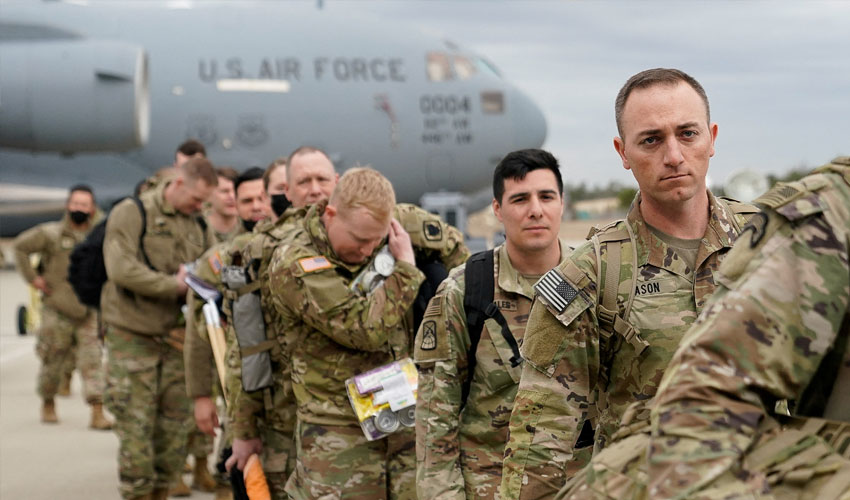
The recent strikes come as the risk of an expanded war involving Iran grows. The United States has deployed thousands of Marines to the Middle East, with the first contingent arriving aboard an amphibious assault ship. The Pentagon is reportedly preparing for weeks of possible ground operations, though final approval from President Donald Trump remains uncertain.
Iran has intensified attacks across the Gulf, hitting Saudi bases and wounding at least 12 U.S. service personnel. Meanwhile, Israel has carried out airstrikes targeting Iranian infrastructure and Hezbollah positions in Lebanon, resulting in civilian and media casualties.
Global trade and shipping threats
The escalation poses potential risks to global shipping, particularly in the Strait of Hormuz, a critical corridor for oil and liquefied natural gas. Recent Iranian threats had already kept most vessels from attempting the passage, although 20 Pakistani-flagged ships were recently permitted under diplomatic arrangements facilitated by Pakistan’s Foreign Minister Ishaq Dar.
The Houthis have demonstrated the ability to strike targets far beyond Yemen, raising concerns over maritime security across the Arabian Peninsula and the Red Sea.
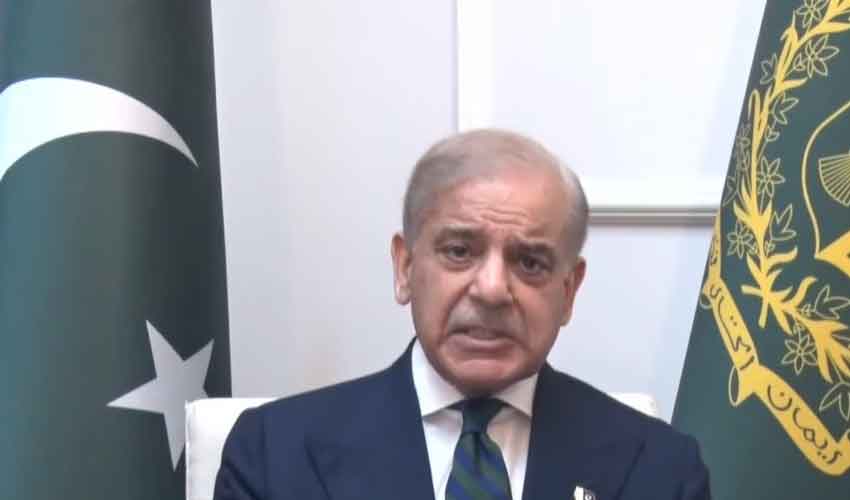
Pakistan has emerged as a key mediator, hosting talks between Turkish, Saudi, and Iranian officials to ease regional tensions. Prime Minister Shehbaz Sharif spoke at length with Iranian President Masoud Pezeshkian, condemning Israeli attacks and reaffirming Pakistan’s commitment to peace. Both leaders stressed confidence-building measures to facilitate dialogue and de-escalation.
The ongoing conflict has claimed thousands of lives and disrupted global energy supplies. In addition to military targets, civilians and journalists have been affected in Lebanon and Iran. The strikes and counterattacks underscore the precarious security situation and the potential for further regional escalation.