





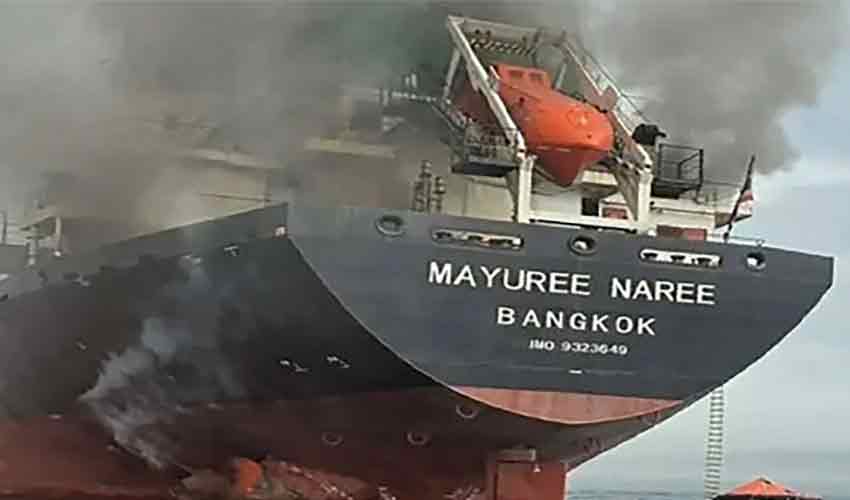
Seafarers’ helplines report being overwhelmed with messages from crews stranded in the Gulf due to the Middle East conflict, urgently seeking repatriation, compensation, and essential supplies.
An email received on March 24 by the International Transport Workers’ Federation (ITF) Seafarer Support team described a vessel “facing a critical situation regarding provisions and crew health conditions,” emphasizing the “immediate supply of food, drinking water, and basic necessities” needed to sustain the crew.
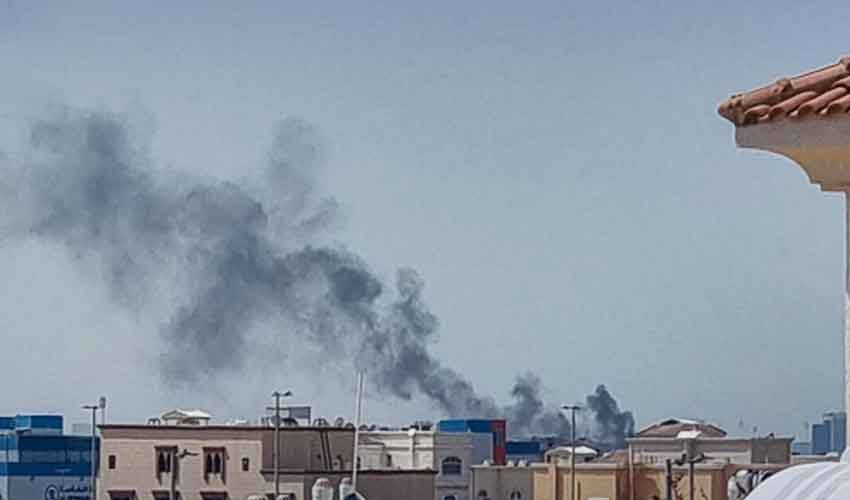
Since US-Israeli strikes on Iran began on February 28, the ITF has received over 1,000 emails and messages from seafarers stuck near the Strait of Hormuz and surrounding waters. Some crew members have sought guidance on their rights in a war zone, while others shared videos of bombings near their ships and pleaded for assistance to evacuate.
Mohamed Arrachedi, ITF’s Network Coordinator for the Arab World and Iran, described the situation as “extraordinary” and “really shocking,” recounting late-night calls from panicked seafarers fearing for their lives.
According to the International Maritime Organization (IMO), around 20,000 seafarers are currently trapped in the Gulf, and at least eight seafarers or dock workers have died since February 28.
The International Bargaining Forum (IBF) has officially designated the area as a war zone, granting seafarers exceptional rights, including company-funded repatriation and double pay for those on IBF-covered ships. However, many crew members, especially on vessels without such agreements, report difficulties in securing evacuation.
One March 18 email described a ship operator ignoring crew requests to leave, citing a lack of flights from Iraq and refusing alternative routes, forcing seafarers to continue cargo and ship-to-ship operations in a war-like environment.
Compensation remains a major concern, with roughly half of ITF support inquiries relating to pay. Some seafarers survive on as little as $16 per day and cannot afford to leave despite the dangers. Others request clarification about whether their salaries should double while working in a war zone.
Seafarers on ships without labour agreements are particularly vulnerable, as contracts often exclude war-zone operations, and operators frequently fail to respond to ITF requests. When this happens, the ITF contacts flag states or the local port authority, but many cases remain unresolved, leaving crews stranded and anxious.

.jpg)