





Metrobus services across multiple cities in Pakistan have been curtailed as part of energy-saving measures. The changes come amid rising fuel pressure linked to Middle East tensions and a broader national austerity campaign.
Authorities have revised Metrobus operational hours in Multan, Lahore, Rawalpindi, and Islamabad to conserve energy. The new schedules have been implemented immediately and will remain in effect until further notice, according to metro administrations.
In Multan, Metrobus operational hours have been reduced by two hours. The service will now close at 9pm instead of 11pm, as confirmed in an official notification.
Metro officials stated that the decision was taken in the national interest to save energy, urging citizens to plan their travel according to the revised schedule.
Lahore Metrobus schedule
In Lahore, the Metrobus service running from Shahdara to Gujjumatta will now operate from 6am to 9pm. Authorities said the service will be completely closed after 9pm, and passengers must reach stations by 8:30pm to catch the last bus.
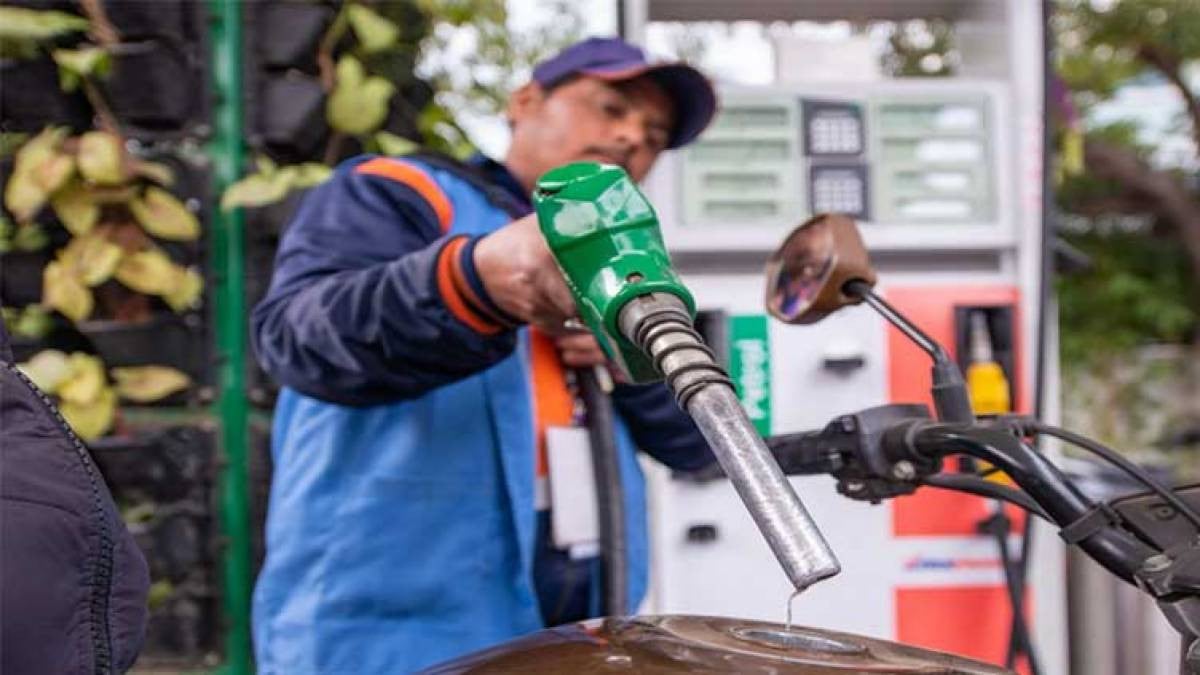
The temporary change has been introduced under the energy-saving policy, citing fuel pressure due to ongoing Middle East tensions.
Officials noted that the shortage of petroleum products has forced a reduction in Metrobus service duration. The revised transport schedule reflects the broader impact of rising fuel costs and supply constraints on public transport systems.
Rawalpindi, Islamabad timings
Under the government’s austerity campaign, Metrobus timings in Rawalpindi and Islamabad have also been adjusted. The service duration has been reduced by one hour, with closing time now set at 9pm instead of 10pm.
The service will begin from Saddar station at 6:15am, according to metro authorities.
In Rawalpindi, Metrobus operations will face additional disruptions due to the Jannatul Baqi Demolition Day rally. The bus will not stop at four stations — Liaquat Bagh, Committee Chowk, Waris Khan, and Chandni — during the event.
The changes in Metrobus schedules are part of a broader effort by the government to manage fuel consumption during the ongoing energy crisis.
Officials emphasized that these steps are necessary to ensure sustainable use of resources while maintaining essential public transport services.