




Iran has ruled out direct negotiations with the United States and doubled down on its diplomatic stance in Lebanon, escalating tensions in an already volatile region.
Iranian Foreign Ministry spokesperson Esmail Baqai made it clear that there are no direct negotiations taking place between Tehran and Washington.
Speaking during a press briefing, Baqai said that any communication with the United States is conducted only through intermediaries. He reiterated that Iran’s position remains firm despite ongoing regional tensions.
He also stressed that there is no comparison between the Russia-Ukraine war and the ongoing US-Iran conflict, signaling Tehran’s distinct geopolitical stance.
Iran vows to protect its citizens
Baqai emphasized that Iran remains committed to protecting the rights of its citizens wherever they are in the world. He also expressed hope that the United Arab Emirates would handle matters concerning Iranian citizens with “foresight,” indicating ongoing diplomatic sensitivities in the region.
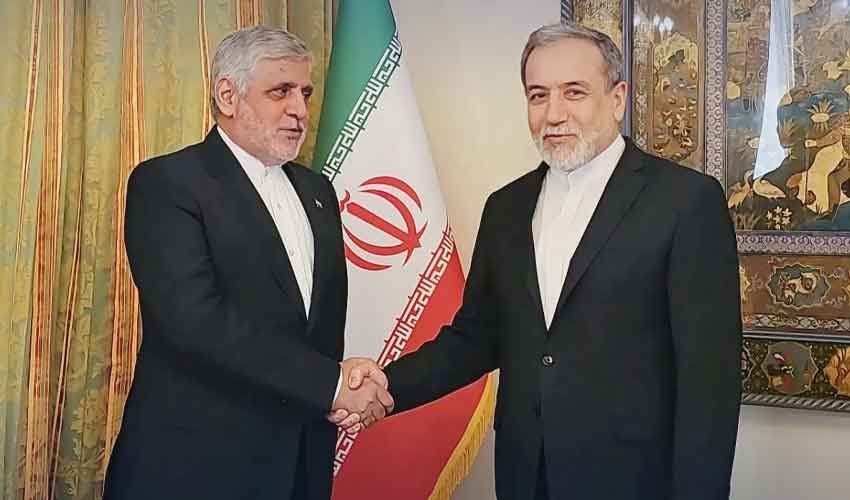
In a move likely to deepen diplomatic friction, Iran announced that its ambassador to Lebanon will continue his duties in Beirut.
This comes despite the Lebanese Foreign Ministry declaring ambassador-designate Mohammad Reza Shibani persona non grata and ordering him to leave the country by March 29.
Lebanon had accused Shibani of violating diplomatic norms by making comments about the country’s internal politics.
Internal divisions in Lebanon
The Lebanese government itself appears divided over the issue.
Parliament Speaker Nabih Berri, a powerful Shia leader and ally of Hezbollah, opposed the Foreign Ministry’s decision and urged that Shibani remain in Beirut, according to sources familiar with his position.
Meanwhile, the Lebanese Foreign Ministry has not issued any further statement since the deadline passed and has not responded to requests for comment.
The diplomatic dispute unfolds against the backdrop of an ongoing war between Hezbollah and Israel. Lebanon was drawn into the conflict on March 2, when Hezbollah launched attacks in support of Iran. The Israeli response has been devastating, with more than 1,200 people killed and over one million displaced.
Also Read: Iran calls US peace proposals 'unrealistic'; oil price rises
Prime Minister Nawaf Salam criticized Hezbollah’s actions, saying the group acted without regard for the majority of Lebanese citizens. His administration has also banned Hezbollah’s military wing and previously sought its peaceful disarmament.
Israel accuses Iran of undermining Lebanon
Israel has strongly criticized Iran’s stance on the ambassador issue. Israeli Foreign Minister Gideon Saar said the envoy’s continued presence in Beirut was evidence that Iran is “mocking” Lebanon.
In a post on X, Saar claimed Lebanon is effectively a “virtual state” under Iranian influence, adding that the ambassador remains in Beirut despite the official deadline expiring.
Iran stands firm
Despite mounting criticism and diplomatic pressure, Iran has shown no signs of backing down. Baqai reaffirmed that the Iranian ambassador will continue his work in Beirut, reflecting Tehran’s broader strategy of maintaining influence in the region even as tensions escalate.


.jpg)