




The rapid growth of solar energy in the country is playing a crucial role in preventing a severe power crisis, even as rising global fuel prices and LNG shortages put pressure on the country’s energy sector.
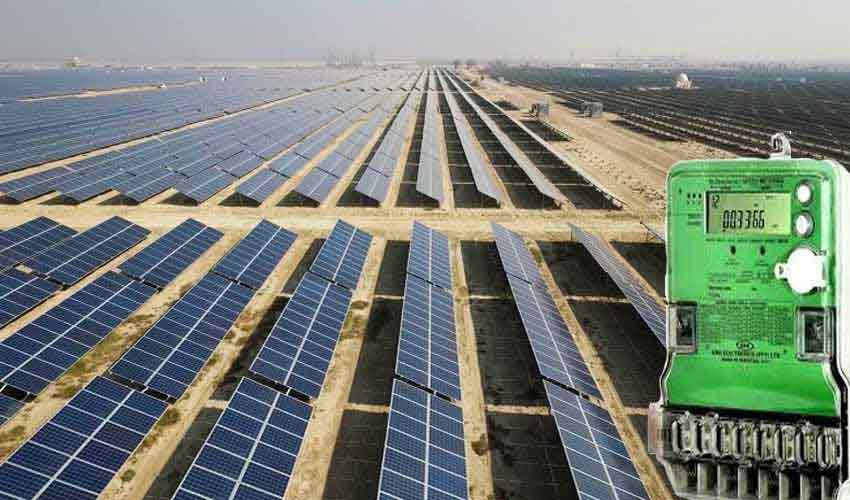
According to sources, off-grid and on-grid solar capacity in Pakistan has now exceeded 19,000 megawatts, while net-metering consumers are contributing over 6,000 megawatts. Officials say this surge in solar adoption has helped offset the need to run expensive imported fuel-based power plants.
The country is currently grappling with rising petroleum prices due to geopolitical tensions involving Iran, Israel, and the United States. As a result, the cost of generating electricity from diesel is expected to exceed Rs. 80 per unit, prompting authorities to consider halting diesel-based power generation altogether.
Furnace oil power plants are likely to be used only during peak hours, while LNG shortages - previously accounting for 10 to 15% of the energy mix - may lead to daily load shedding of 2 to 3 hours. Gas supply to the power sector is also expected to decline significantly in the coming months.
To manage the shortfall, the government is considering diverting gas from other sectors, including fertilizer plants, and potentially suspending supply to the CNG sector.
Officials emphasized that without the widespread adoption of solar energy, Pakistan would have faced much higher electricity generation costs and potentially prolonged power outages.



.jpg)