





President Donald Trump has signaled that the United States is set to complete its main objectives in the Iran conflict within the next two to three weeks.
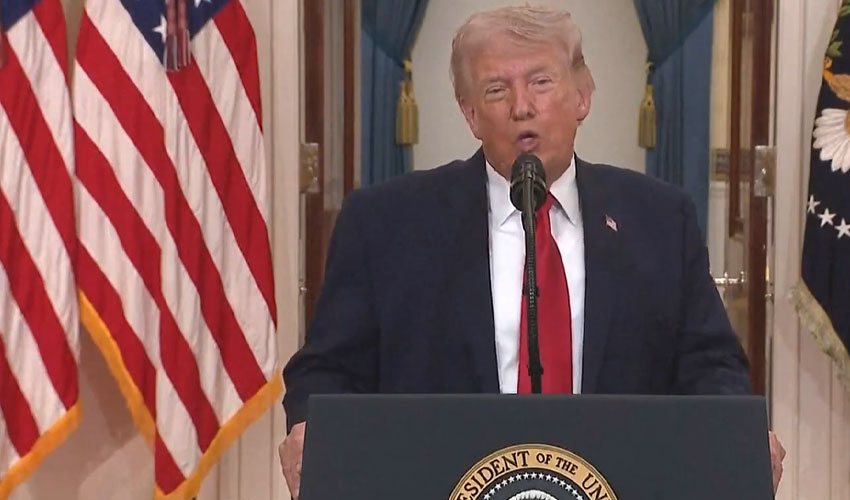
Speaking in a prime-time address, he warned that U.S. forces would continue aggressive operations against Iranian targets.
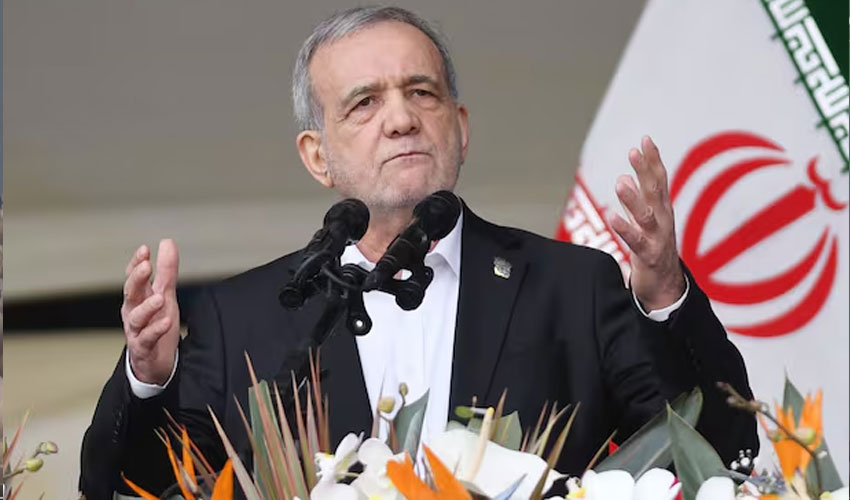
Trump told the nation that U.S. forces had delivered “swift, decisive, overwhelming victories” during the past 32 days of strikes. He said the country is on track to complete its core military goals shortly.
Over the next two to three weeks, Trump emphasized, the United States would hit Iran “extremely hard” to dismantle its capabilities, describing the measures as necessary to neutralize Iran’s threat to regional and global security.
BREAKING: Trump on Iran:
— Clash Report (@clashreport) April 2, 2026
We are going to hit them extremely hard over the next 2–3 weeks.
We are going to bring them back to the Stone Ages, where they belong. pic.twitter.com/yPtAYL806Z
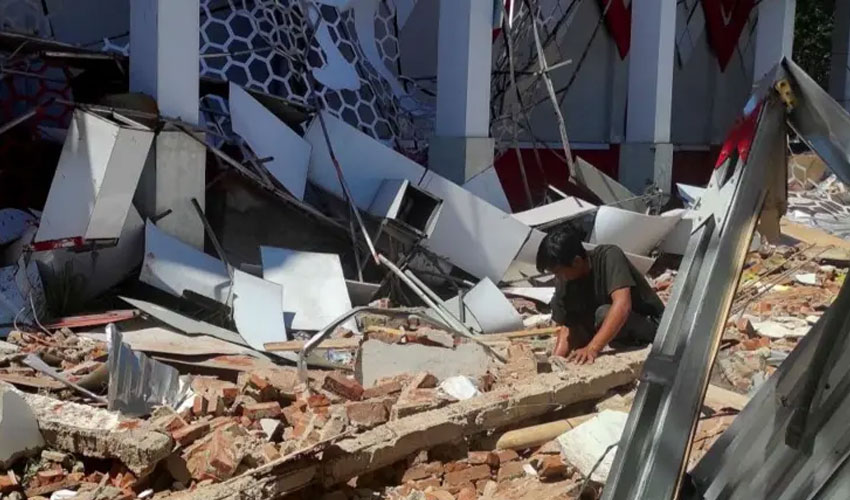
The war, triggered by U.S. and Israeli strikes on February 28, has expanded across the region. Iran retaliated with attacks on Israel, U.S. bases, and Gulf states, while opening a new front in Lebanon. Thousands have reportedly been killed, and the Strait of Hormuz—a crucial oil passage—was temporarily closed, disrupting global oil markets.
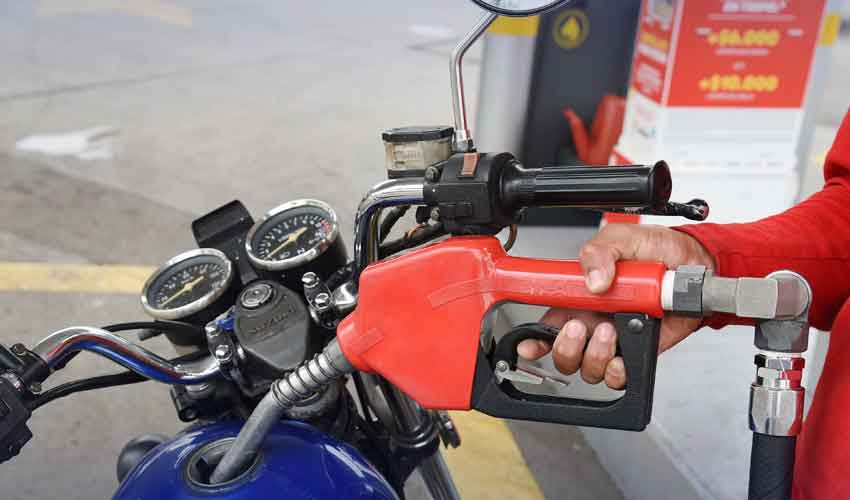
Trump said the temporary spike in U.S. gasoline prices was a direct result of Iranian attacks on commercial tankers, not the U.S. strategy, and criticized allies for relying on oil from the region.
Nuclear concerns and continued pressure
Trump claimed U.S.-Israeli strikes had prevented Iran from obtaining nuclear weapons. “They were right at the doorstep,” he said, adding that “spot hits” could resume if threats re-emerge.
Despite his aggressive stance, the president suggested ongoing talks with less-radical Iranian leaders, though a senior Iranian source told Reuters no mediated ceasefire discussions had taken place.
The conflict has rattled financial markets. Stocks fell and oil prices surged after Trump’s announcement, as investors awaited clarity on the conflict’s near-term resolution. International bodies like the IMF, World Bank, and IEA warned of “substantial, global, and highly asymmetric” effects, promising coordinated responses to countries hit hardest.
Trump also hinted at potential NATO pressure, urging allies to act independently to secure the Strait of Hormuz.