





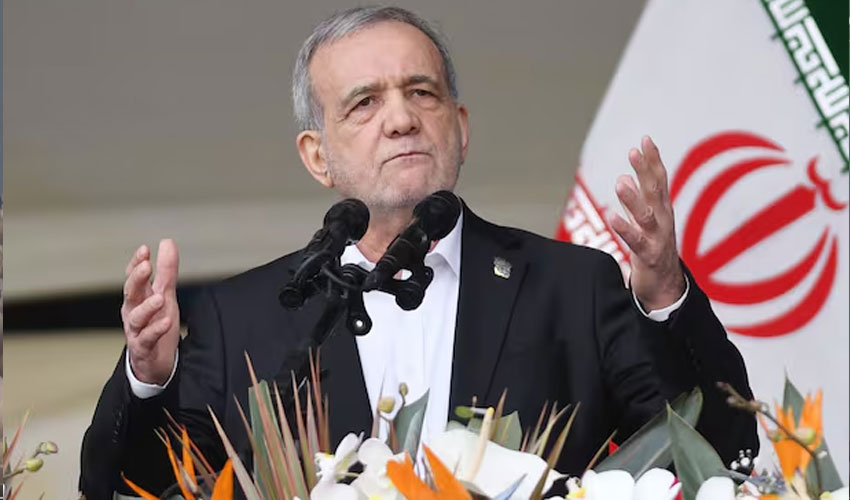
Iranian President Masoud Pezeshkian has addressed the American people directly, urging them to question whose interests are truly being served in the ongoing US-Israeli conflict against Iran.
The letter comes amid intensifying military strikes and a war of narratives between Tehran and Washington.
“Which interests are being served?”
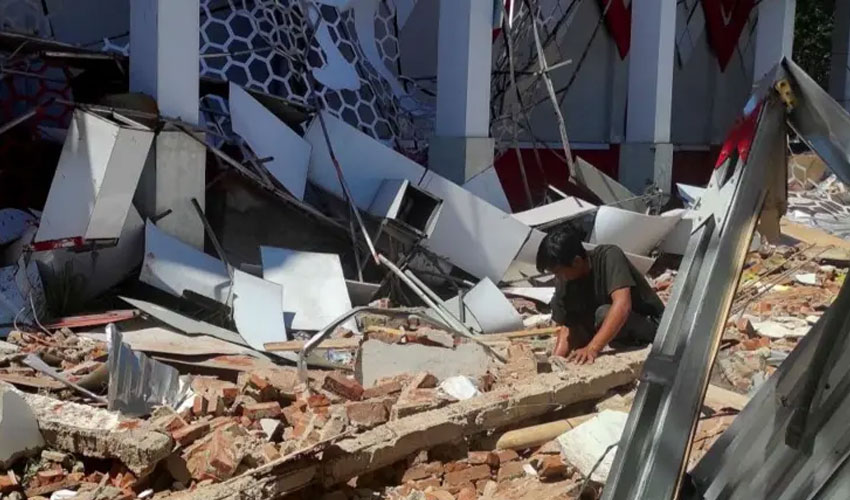
In his open letter, Pezeshkian highlighted the human and strategic costs of the war, asking whether attacks on Iranian infrastructure and civilians align with American priorities.
“Exactly which of the American people’s interests are truly being served by this war?” he wrote, questioning the destruction of hospitals, pharmaceutical facilities, and other civilian targets. The president criticized rhetoric from US leadership, including threats to reduce Iran “back to the Stone Ages,” calling such actions counterproductive and damaging to America’s global standing.
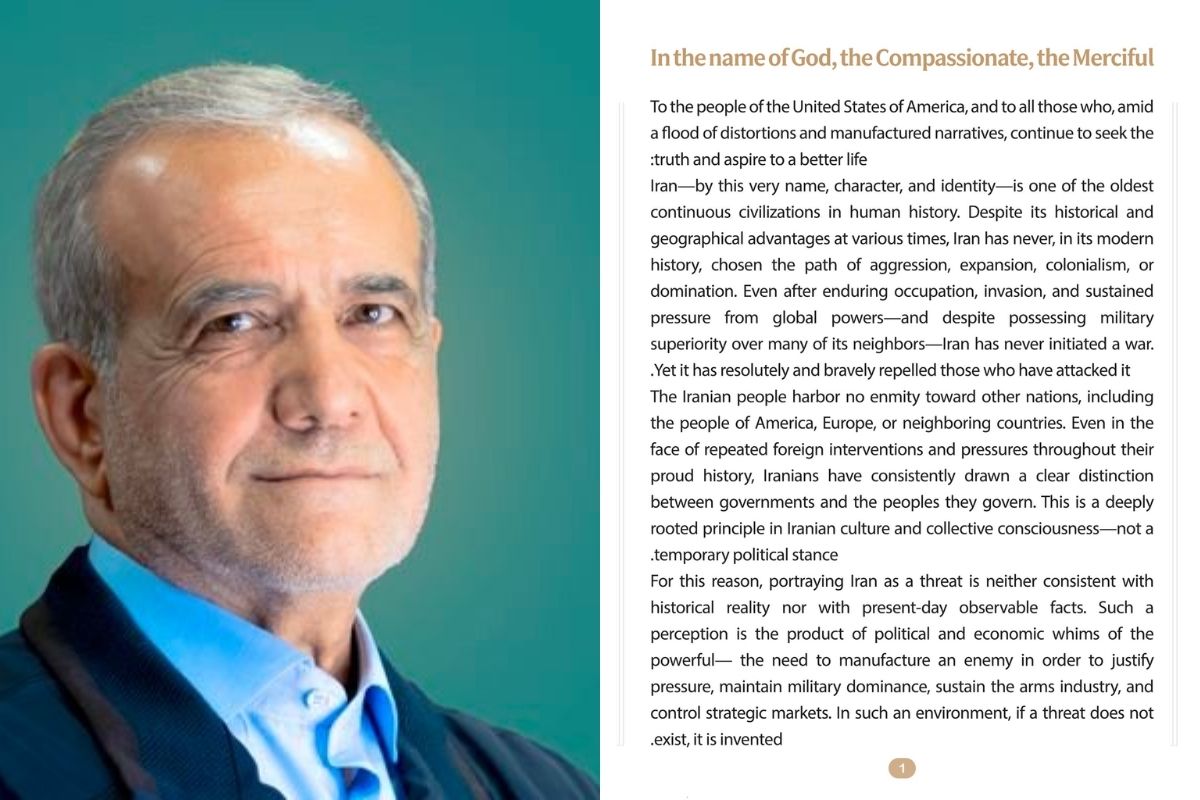
Pezeshkian rejected portrayals of Tehran as a global threat, noting Iran had faced military attacks while engaged in multilateral nuclear talks—once in June 2025, when Israel launched a 12-day conflict with brief US involvement, and again in February 2026.
“Attacking Iran’s vital infrastructure directly targets the Iranian people,” he said. “Beyond constituting a war crime, such actions generate instability, economic costs, and long-lasting resentment.”
He emphasized that Iran holds “no enmity” towards ordinary Americans and maintains its right to self-defense against attacks from the US and Israel.
Questioning influence and motives
The Iranian president also raised questions about Israel’s role, asking if the US is being manipulated to act as a proxy for Israeli interests. He suggested that portraying Iran as a threat may serve to divert global attention from Israel’s actions toward Palestinians.
“Is America engaged in this aggression under influence from Israel?” Pezeshkian asked.
The letter was released shortly after US President Donald Trump threatened to continue striking Iran unless the Strait of Hormuz is reopened. Iranian officials denied claims that Tehran requested a ceasefire, reflecting deep disagreements over the narrative of the conflict.
Al Jazeera correspondent Ali Hashem noted that both governments are engaged in a “war of narratives,” with the US projecting military success while Iran emphasizes being under attack.
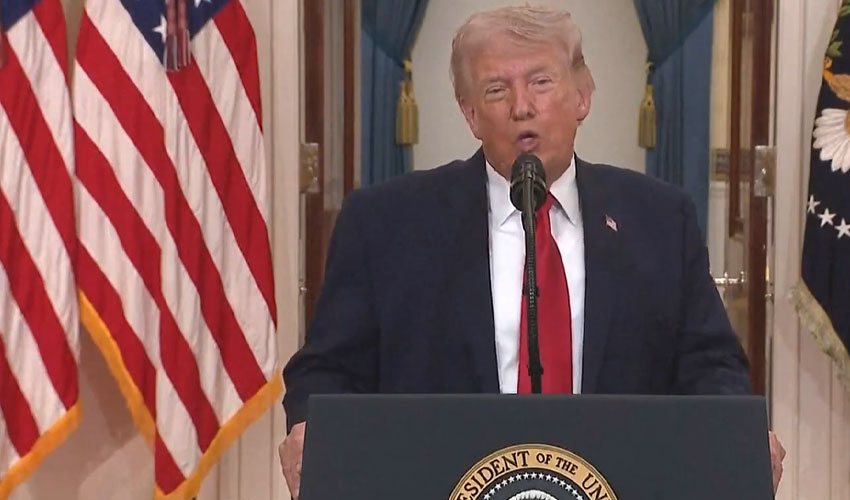
Trump is scheduled to deliver a speech in Washington, DC, providing what the White House calls “an important update on Iran,” as tensions remain high.