




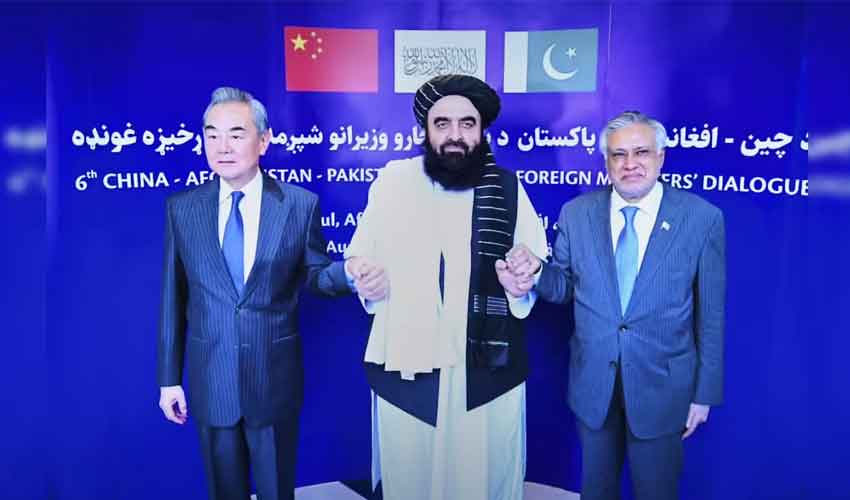
Pakistan, China and Afghanistan have restarted trilateral diplomatic engagement, with the first round of talks successfully held in Urumqi.
In a key regional development, Pakistan, China and Afghanistan have resumed dialogue on a trilateral platform. The talks signal renewed diplomatic efforts to address regional challenges, particularly the situation in Afghanistan.
The first round of trilateral talks between Pakistan, China and Afghanistan concluded in Urumqi, according to diplomatic sources. The meeting brought together senior officials from all three sides to discuss issues of mutual interest and regional stability.
Pakistani delegation led by senior diplomat
Pakistan’s delegation was led by Additional Foreign Secretary Ali Asad Gilani. Diplomatic sources confirmed that the Pakistani side actively participated in the discussions, reflecting Islamabad’s continued engagement on regional matters.
Senior Chinese officials and high-ranking representatives of the Afghan Taliban regime also took part in the talks. The presence of key stakeholders highlighted the importance of the trilateral platform in addressing shared concerns.
Also Read: Pakistan, China stress importance of effective counter-terror efforts
Sources revealed that Pakistani officials arriving in Beijing were received by China’s Special Representative for Afghanistan. This gesture underscored China’s role in facilitating dialogue and maintaining diplomatic coordination among the three countries.
Afghanistan also discussed in Pak-China talks
The Foreign Office had earlier confirmed that the situation in Afghanistan was also discussed during the recent meeting between the foreign ministers of Pakistan and China.
This indicates that Afghanistan remains a central focus in bilateral and trilateral engagements between the two countries. The resumption of trilateral talks reflects ongoing efforts to strengthen cooperation and maintain stability in the region.
With Afghanistan at the center of discussions, the platform is expected to play a key role in shaping future diplomatic and security strategies.
.jpg)