





Apple is celebrating its 50th anniversary, reflecting on decades of transformative products while facing pressure to prove it can lead the next wave of technological innovation in artificial intelligence.
Co-founders Steve Jobs and Steve Wozniak revolutionized computing, music, and communication, building a company now valued at over $3.6 trillion. From a Cupertino garage in 1976, the pair changed the way people interact with technology, giving rise to lifestyles centered around smartphone apps.
Apple’s iconic products — including the Mac, iPhone, iPad, and Apple Watch — have cultivated a devoted global following. Since its debut in 2007, the iPhone has sold more than 3.1 billion units, generating an estimated $2.3 trillion in revenue, according to Counterpoint Research. Analyst Yang Wang called it “the most successful consumer electronics product ever,” noting its transformation of communication and status symbols worldwide.
Before the iPhone, Apple disrupted home computing with the 1984 Macintosh, whose graphical interface and mouse made computers accessible beyond specialists and ignited the famous Jobs-Gates rivalry with Microsoft. “Apple was founded on the simple notion that technology should be personal, and that belief — radical at the time — changed everything,” CEO Tim Cook wrote in an anniversary letter.
Apple further reshaped industries with the iPod and iTunes, popularized tablets with the iPad, and led the smartwatch market with the Apple Watch. Jobs, who passed away in 2011, was celebrated for his drive to merge technology with design, creating intuitive products that users loved.
The iPhone’s dominance also shifted Apple’s business model, with Cook expanding digital content and services to its vast user base. The App Store, which remains the sole gateway for software on Apple devices, has drawn regulatory scrutiny for its commission policies in the US and Europe.
China has played a central role in Apple’s rise, both as a manufacturing hub and a major consumer market. While trade tensions and competition from domestic rivals such as Huawei pose challenges, Cook has worked to solidify the company’s presence and diversify manufacturing to India and Vietnam.
Now, Apple faces the next frontier: generative AI. Analysts note the company has been slower than competitors like Google, Microsoft, and OpenAI to implement AI, with delayed updates to Siri signaling a rare stumble.
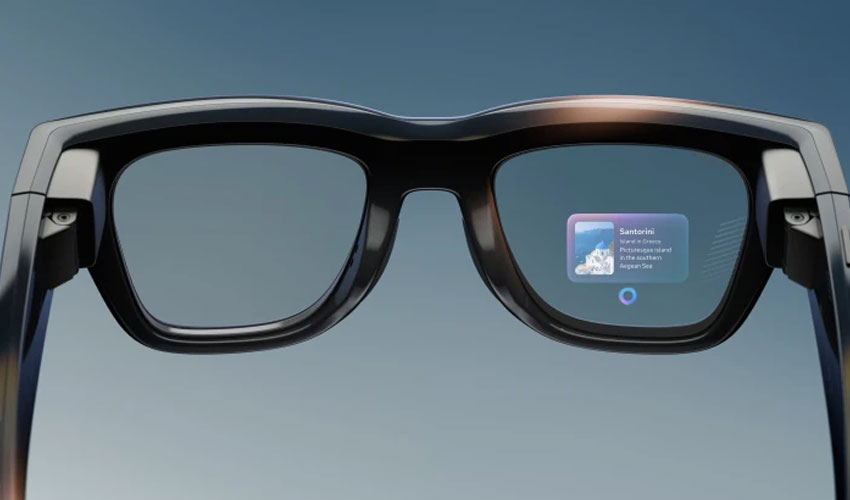
Apple has leaned on Google for AI capabilities, but its focus on privacy and premium hardware could position it to popularize personalized AI, integrating it into products like AirPods and potentially Vision Pro-inspired smart glasses.
“They are the ones that always seem able to create something so simple that users just fall in love with it,” said analyst Carolina Milanesi, highlighting Apple’s enduring ability to shape consumer tech culture.