






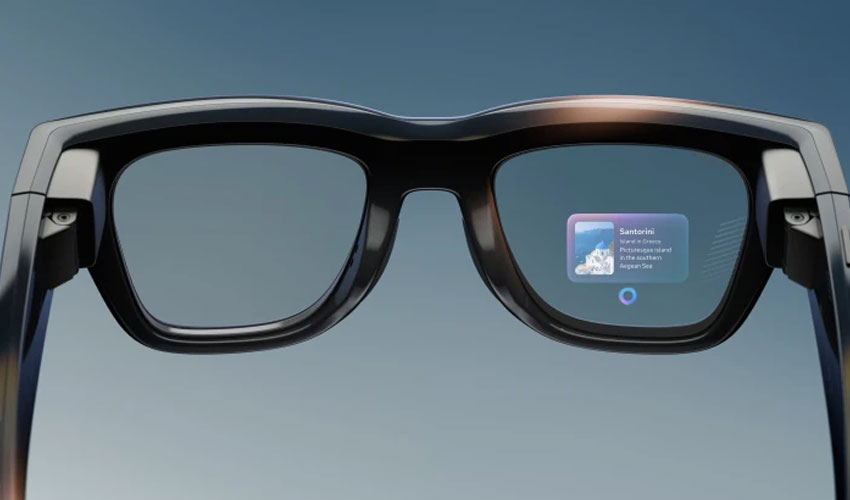
For millions who wear prescription glasses daily, smart eyewear has often felt like an afterthought. Now, Meta appears ready to change that with a new generation of AI glasses.
Early reports suggest a more inclusive design tailored specifically for vision-corrected users.
According to a report by Bloomberg, Meta is developing two new AI-powered smart glasses designed primarily for prescription wearers.
Codenamed “Scriber” and “Blazer,” these models are expected to come in both rectangular and rounded frame styles, offering more variety for users.
Unlike existing smart glasses, such as the Ray-Ban Meta collaboration, which allows prescriptions as an add-on, these new models are being built with prescription users in mind from the start.
The glasses are also expected to be sold through traditional prescription eyewear retailers, making them more accessible to everyday users.
Will the design be different?
So far, there is no official confirmation on how the new models will differ physically from current offerings.
However, possible improvements could involve lens housing, frame thickness, and overall weight—factors that are crucial for comfort in prescription eyewear.
One of the key expectations from these glasses is improved compatibility with local opticians.
If users can easily get their lenses adjusted or replaced through neighborhood eyewear shops, it could significantly boost adoption and usability.
What else do we know?
Separate reporting by The Verge highlights that both “Scriber” and “Blazer” have appeared in FCC filings, indicating they are likely nearing launch.
The listing suggests that “Blazer” may come in a larger size compared to “Scriber,” offering more fit options.
Improved connectivity and features
Both models are expected to support Wi-Fi 6 UNII-4 band, a feature missing in current Ray-Ban smart glasses.
This could enable faster data transfer speeds and possibly support features like livestreaming. However, neither model is expected to include a display.
What stands out is Meta’s clear focus on prescription wearers—a massive global audience that has largely been overlooked in the smart glasses segment.
By targeting this group directly, Meta may be positioning itself to expand the appeal of wearable tech beyond early adopters.