





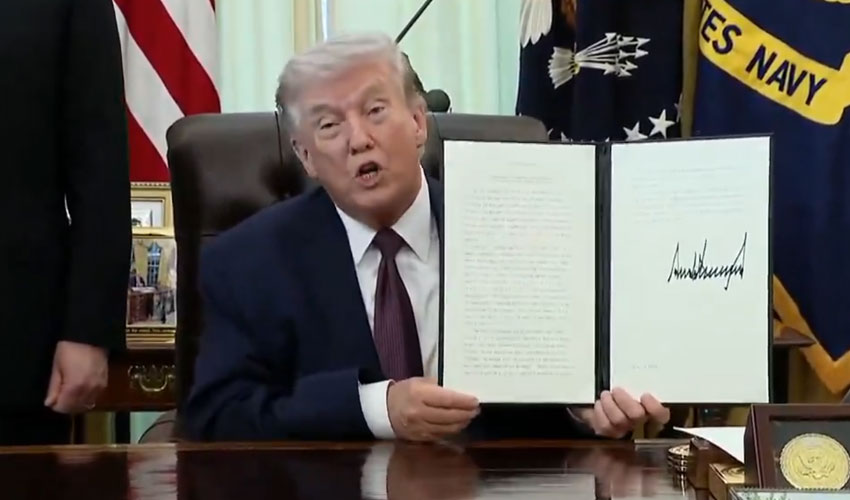
President Donald Trump on March 31 signed an executive order aimed at tightening rules on mail-in voting nationwide, including a federal mandate to verify U.S. citizens eligible to vote in each state.
The move has drawn swift criticism and legal threats from Democrats and voting rights organizations.
The executive order directs the federal government to compile a list of confirmed U.S. citizens to help state election officials verify voter eligibility.
It also mandates that absentee ballots be sent only to voters on state-approved mail-in ballot lists and requires secure ballot envelopes with unique tracking barcodes.
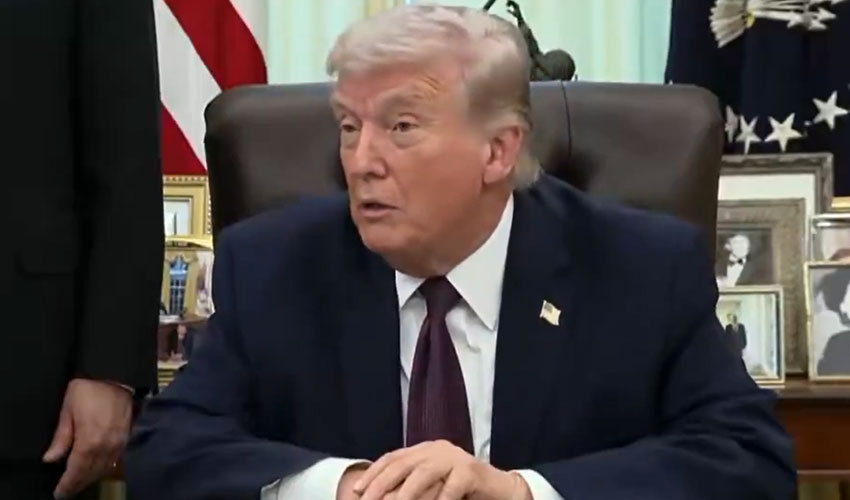
Trump defended the order, claiming, “I don’t see how they can challenge it,” and criticized what he called “rogue” and “very bad” judges.
Opposition reacts swiftly
Voting rights groups and Democratic officials rejected Trump’s assertions.
🚨BREAKING: President Trump signs executive order making mail-in voting secure by requiring:
— Benny Johnson (@bennyjohnson) March 31, 2026
- DHS to create a list of US citizens with the help of SSA
- USPS only sends mail-in ballots to approved voters
- Unique bar code tracking in secure envelopespic.twitter.com/kysvs4KQy8
NAACP President Derrick Johnson said, “Not only is his order unconstitutional, it’s unserious. This order will not stand.”
David Becker, head of the Center for Election Innovation & Research, added on social media that the order was “clearly unconstitutional” and “might as well be banning gravity.”
California Governor Gavin Newsom also pledged legal action, saying on X, “The President wants to limit which Americans can participate in our democracy. California will see him in court.”
Trump has long criticized mail-in voting, falsely claiming that his 2020 election defeat was due to widespread voter fraud.
The order arrives as the Senate debates the SAVE America Act, a bill Trump has championed to require proof of citizenship for voter registration and photo ID to cast ballots. The measure passed the House but faces strong Democratic opposition in the Senate.
Interestingly, Trump recently voted by mail in a Florida special election, citing his presidential duties as the reason for using the method he publicly opposes.
The president’s order follows previous executive efforts to direct federal agencies in election oversight, including attempts to bar states from counting late-arriving mail ballots—a challenge to long-standing state-controlled election procedures.
Legal experts predict that the order will face immediate court battles, raising questions about federal overreach in traditionally state-run electoral processes.


.jpg)