




Pakistan’s Foreign Office has strongly criticized Indian Foreign Minister S. Jaishankar’s recent remarks, calling them undiplomatic, while highlighting Islamabad’s ongoing efforts to promote peace in the region.
In a sharp diplomatic response from Islamabad, Pakistan rejected India’s latest statements as “undiplomatic rhetoric". The Foreign Office also outlined Pakistan’s active engagement with global leaders to de-escalate regional tensions.
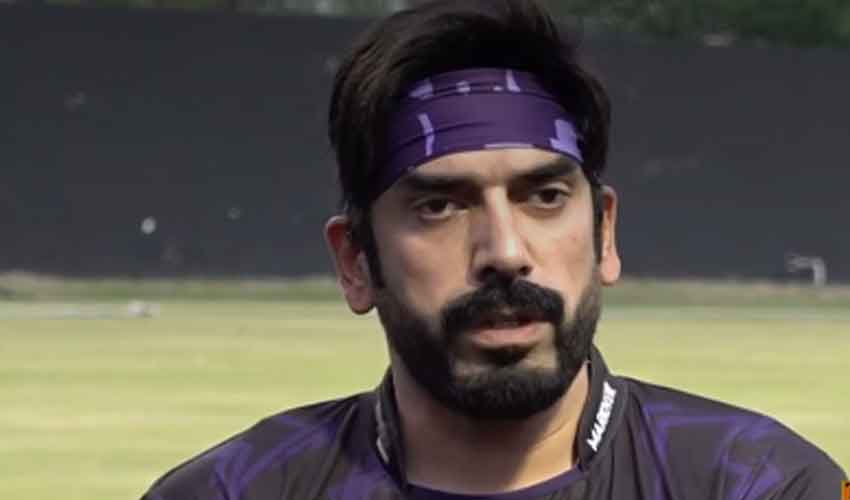
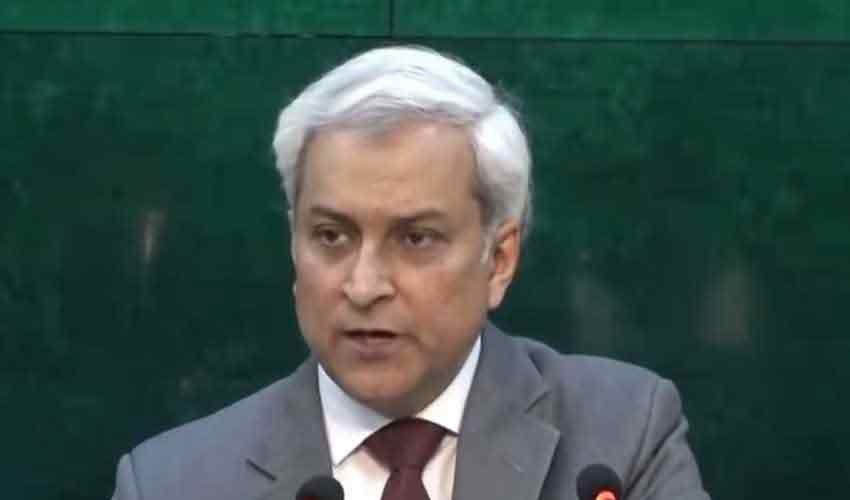
Speaking at a weekly media briefing in Islamabad, Foreign Office Spokesperson Tahir Hussain Andrabi strongly reacted to Indian Foreign Minister Jaishankar’s remarks. He said the “undiplomatic rhetoric” coming from India reflects “deep disappointment.”
“When arguments become weak, insults take their place,” the spokesperson remarked, criticizing what he described as India’s tone.
Jaishankar’s remarks draw strong criticism
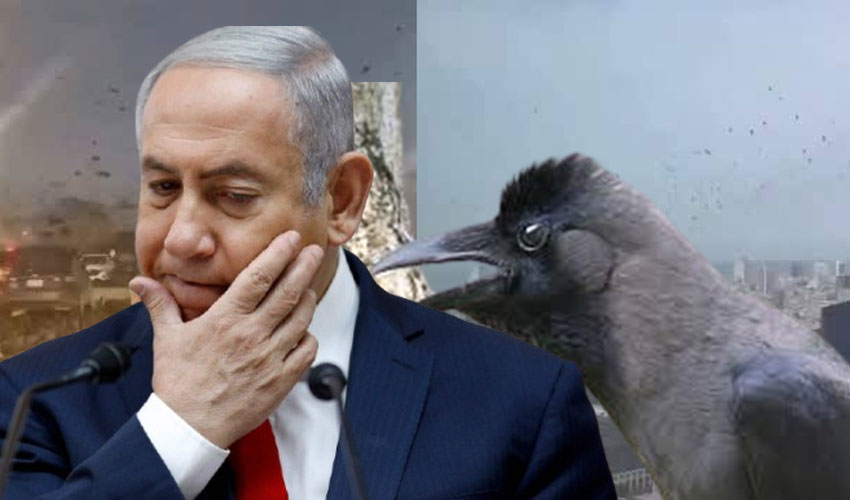
The Indian foreign minister is facing widespread backlash over his recent remarks against Pakistan, which many have described as inappropriate and undiplomatic.
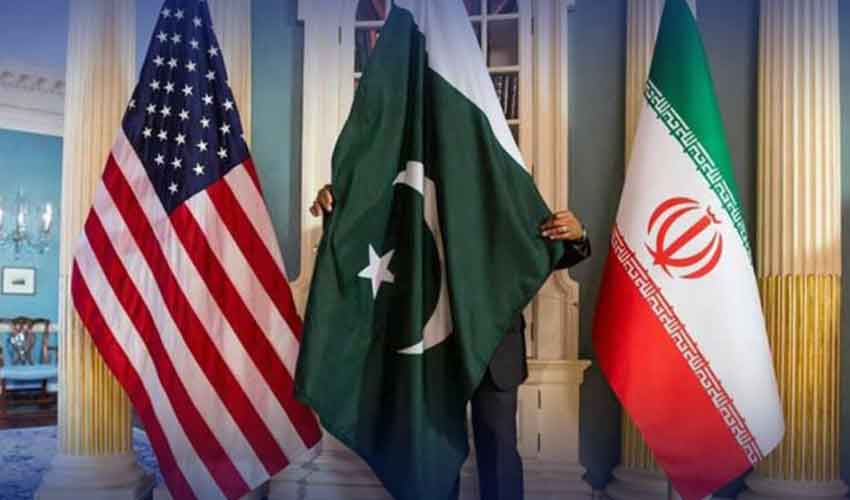
The controversy comes at a time when Pakistan is playing an increasingly prominent role in facilitating diplomatic engagement between the United States and Iran.
Opposition leaders in India have strongly criticized the ruling BJP government and Prime Minister Narendra Modi over Jaishankar’s statement.
Congress spokesperson Dr. Shama Mohamed termed the remarks a “diplomatic failure,” stating that Pakistan’s inclusion in talks with Iran -- while India remains sidelined -- reflects poorly on the Modi government.
Congress leader Supriya Shrinate questioned India’s earlier claims of mediation, asking, “What should we call India’s claim of mediating in the Russia-Ukraine war or stopping the conflict?”
Similarly, Congress member Pawan Khera asked whether India was not acting as a “broker” when Prime Minister Modi attempted to mediate between Russia and Ukraine.
Indian political analyst Ashok Swain criticized Jaishankar’s language, calling it “street-level rhetoric” that is unbecoming of a foreign minister.
Global experts have also weighed in, describing Jaishankar’s remarks as a defensive reaction aimed at masking diplomatic setbacks. They noted that India’s inability to play a central role in the recent Gulf crisis reflects a broader diplomatic failure.
The statement has raised serious questions about India’s diplomatic credibility and its claim of being a responsible advocate for peace on the global stage.
Pakistan emphasizes dignity over ‘showy arrogance’
The spokesperson stressed that Pakistan does not believe in “showy displays of arrogance” or exaggerated statements. He said Pakistan’s stance is rooted in tolerance, decency, and dignity, in contrast to what he called India’s aggressive rhetoric.
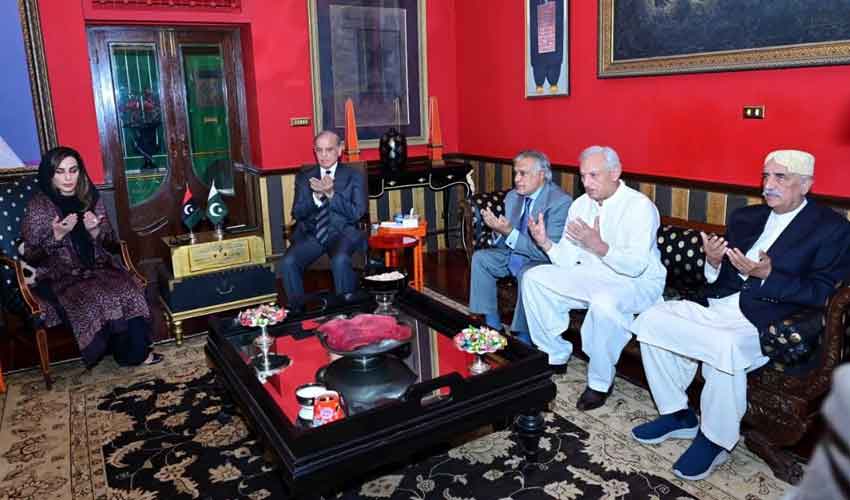
Highlighting Pakistan’s diplomatic efforts, Andrabi said the prime minister has been actively engaging with regional and global leaders. He confirmed that the prime minister contacted the Saudi Crown Prince and, earlier, the Iranian president.
In addition, outreach was made to leaders of Turkey, Jordan, Azerbaijan, Iraq, Egypt, Bangladesh, and other countries.
Pakistan pushes for dialogue and peace
According to the spokesperson, Pakistan is playing a “dynamic role” in promoting immediate peace in the region. He reiterated that Pakistan welcomes peace and dialogue and is ready to play its part in meaningful negotiations.
The prime minister, he added, is personally leading these diplomatic efforts.
Warning over false flag operations
The Foreign Office also warned that false flag operations in the Middle East cannot be ruled out amid rising tensions. However, Andrabi emphasized that the only viable solution to the crisis remains a return to dialogue.
He said Pakistan remains optimistic and continues working toward a peaceful resolution.
Operation Ghazab Lil Haq continues
On the security front, the spokesperson confirmed that Operation Ghazab Lil Haq is ongoing. He said a temporary pause was observed during Eid at the request of brotherly countries, but the operation has resumed and will continue until results are achieved.
The objective of the operation is to target terrorists, their facilitators, and associated networks.
The spokesperson stated that the operation will continue until the Afghan government ends its support for terrorists. Pakistan has linked the continuation of the operation to concrete action against militant groups operating in the region.