




The country's top civilian and military leadership has held a high-level meeting to address rising oil prices, economic pressures, and growing regional tensions, while reaffirming a proactive diplomatic role in the Middle East.
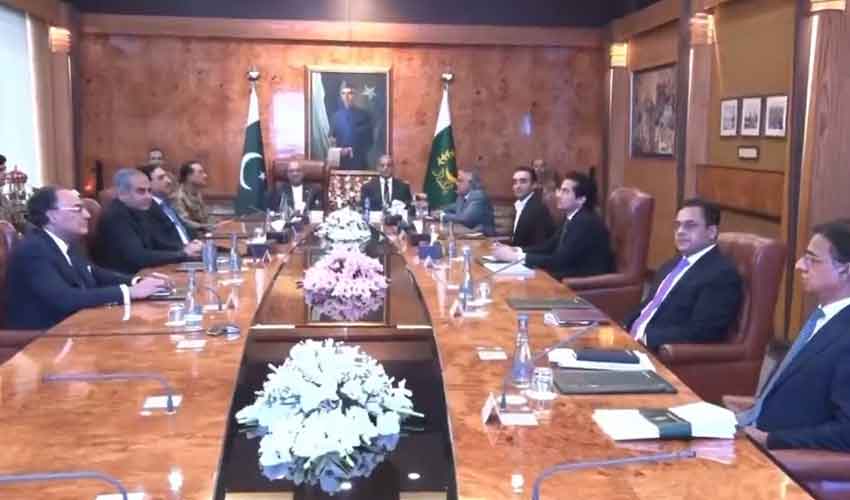
A crucial consultative meeting at the Presidency in Islamabad brought together Pakistan’s top leadership to tackle emerging economic and security challenges.
The discussion focused on rising fuel prices, regional instability, and Pakistan’s evolving diplomatic role.
The meeting was chaired by President Asif Ali Zardari and attended by Prime Minister Shehbaz Sharif and Field Marshal Syed Asim Munir.
Key participants also included Deputy Prime Minister Ishaq Dar, PPP Chairman Bilawal Bhutto Zardari, Interior Minister Mohsin Naqvi, Finance Minister Muhammad Aurangzeb, Energy Minister Ali Pervaiz Malik, and Ahad Khan Cheema.
President Zardari chaired a high-level meeting with PM @CMShehbaz, Field Marshal Asim Munir and senior ministers to review economic, energy and regional situation amid oil and gas supply concerns, focusing on coordination, austerity, fuel conservation and public relief. pic.twitter.com/RjcuNrZ9gK
— The President of Pakistan (@PresOfPakistan) March 26, 2026
Officials conducted a detailed review of possible disruptions in oil supply and the rising prices of petroleum products, alongside the broader economic and energy situation.
Inflation control, energy security
During the meeting, Finance Minister Aurangzeb and Petroleum Minister Malik briefed participants on measures to reduce the impact of increasing fuel prices.
The leadership emphasized maintaining fiscal discipline through austerity measures and ensuring energy security for the country. Controlling inflation and stabilizing fuel prices were highlighted as top priorities.
Regional security and global oil trends
Participants also reviewed the impact of global oil and gas supply fluctuations on Pakistan. The broader regional situation, including security challenges and economic prospects, was discussed in detail, along with potential risks to food security.
The meeting stressed that economic management, national security, and food security must be handled in an interconnected manner.
Also Read: Pakistan cautions against speculation; confirms backchannel US-Iran talks
The leadership underscored the need for national consensus and stronger institutional coordination to address emerging regional challenges. Officials also called for increased public awareness to reduce fuel consumption, urging citizens to use public transport and adopt ride-sharing systems.
Protecting public interest was declared the government’s top priority amid the evolving situation.
Pakistan to intensify diplomatic role in Middle East
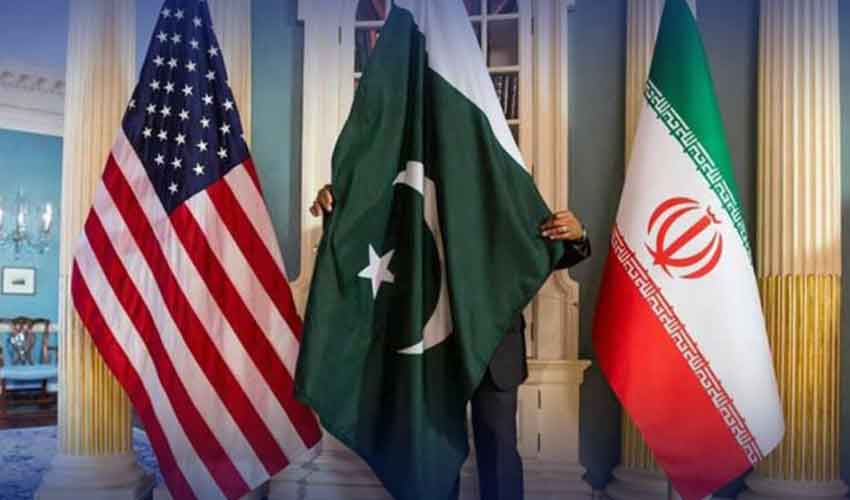
A significant portion of the meeting focused on Iran-US tensions and Pakistan’s diplomatic strategy. Sources said Pakistan has decided to continue and expand its role in promoting peace and stability, emphasizing that negotiations and diplomacy remain the only viable solution.
Efforts at the global level for a ceasefire between Iran and the United States were also reviewed.
Also Read: US-Israel strikes intensify in Iran; civilian deaths mount
The leadership expressed satisfaction with preparations that could position Islamabad as an important hub for potential negotiations.
Consultations on global diplomatic contacts and Pakistan’s mediation role were also discussed, with confidence expressed in the country’s ability to contribute meaningfully.
Austerity and national security
The national leadership reaffirmed its commitment to strict implementation of austerity measures. Ensuring national security “at all costs” was emphasized, alongside maintaining policy stability and protecting public interests.
A detailed review of the changing regional security landscape was also conducted.
Separately, Prime Minister Sharif met President Zardari at the Presidency to discuss mediation efforts and domestic matters. Deputy Prime Minister Ishaq Dar, Interior Minister Mohsin Naqvi, and Law Minister Azam Nazir Tarar accompanied the prime minister.
The meeting included discussions on Pakistan’s security, economic, and political situation, as well as regional developments.