






As temperatures rise across Pakistan, skin problems become increasingly common. From heat rashes to fungal infections, summer can take a toll on your skin if proper care is not taken.
Summer brings excessive heat, humidity, and sweating — all of which create the perfect environment for bacteria and fungi to grow.
Prolonged sun exposure, dehydration, and poor hygiene further worsen the risk, leading to issues like acne, sunburn, and skin infections.
Common skin problems during summer
Heat Rash (Prickly Heat)
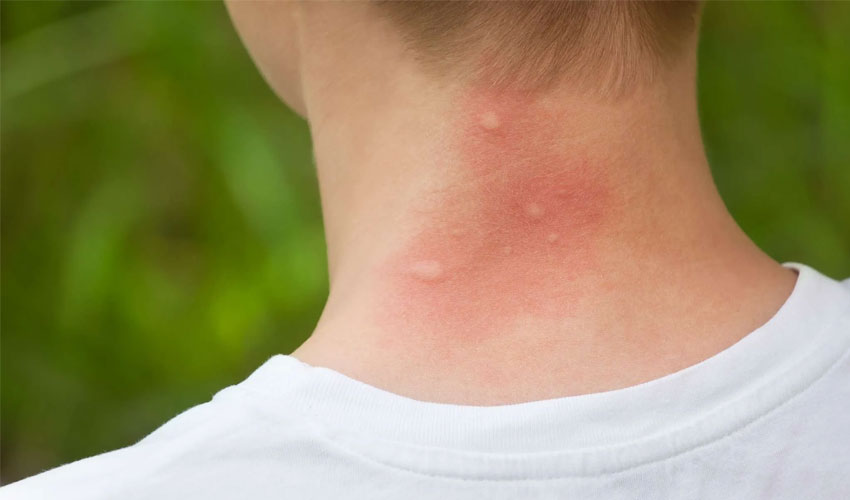
Heat rash occurs when sweat gets trapped in blocked pores. It often appears as small red bumps and causes itching or irritation.
Fungal Infections
Warm and moist areas of the body, such as underarms and feet, are prone to fungal infections during summer.
Sunburn
Excessive exposure to harmful UV rays can damage the skin, causing redness, pain, and even peeling.
Acne and Oily Skin
Increased oil production due to heat leads to clogged pores, resulting in breakouts.
How to prevent skin diseases in summer
Stay Hydrated
Drink plenty of water throughout the day. Hydration helps flush out toxins and keeps your skin healthy and fresh.
Maintain Proper Hygiene
Take regular showers, especially after sweating. Clean skin prevents bacterial buildup and reduces infection risks.
Wear Breathable Clothing
Choose loose, light-colored cotton clothes. They allow air circulation and reduce sweating.
Use Sunscreen Daily
Apply a broad-spectrum sunscreen before stepping out. It protects your skin from harmful UV rays and prevents sunburn.
Keep Skin Dry
Make sure areas like feet, underarms, and skin folds remain dry to avoid fungal growth.
Avoid Harsh Products
Use gentle, skin-friendly soaps and avoid excessive use of chemicals that can irritate the skin.
A balanced diet rich in fruits and vegetables helps improve skin health. Foods high in antioxidants protect against damage caused by heat and sunlight.
Avoid oily and spicy foods, as they can trigger acne and skin irritation during hot weather.
If skin problems persist or worsen, it is important to consult a dermatologist. Early treatment can prevent complications and ensure quicker recovery.