





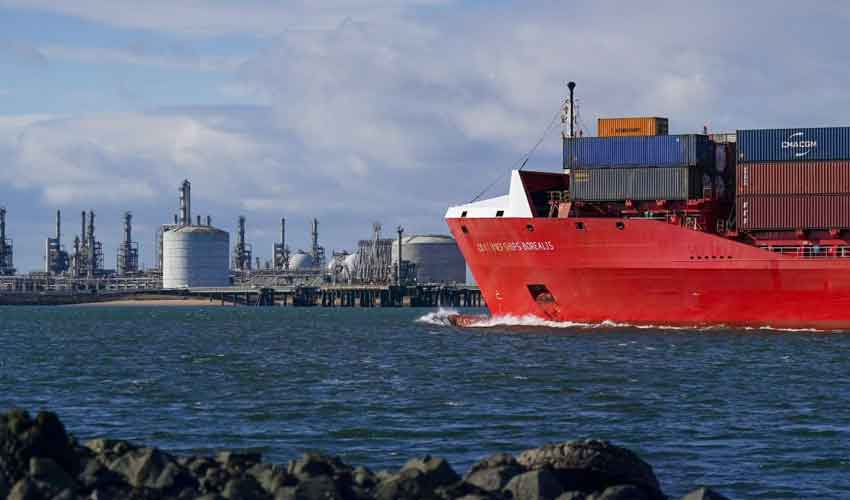
Iran has firmly rejected US claims of a ceasefire request, warning that the strategic Strait of Hormuz will remain closed to its “enemies” as tensions in the Middle East intensify.
The Iran-US conflict continues to escalate with strong statements from both sides. Tehran has dismissed Washington’s claims while tightening control over one of the world’s most critical oil routes.
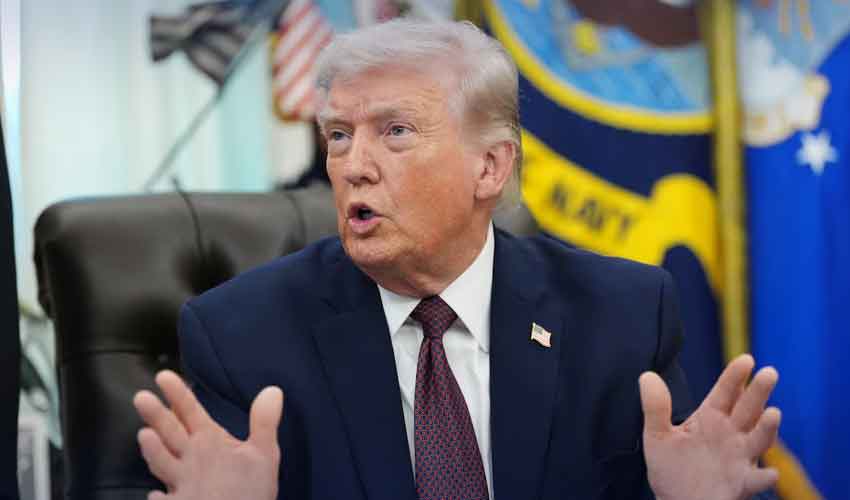
Iran’s Foreign Ministry rejected US President Donald Trump’s claim that Tehran had requested a ceasefire. Officials stated that no one can trust American diplomacy anymore, accusing the United States of using negotiations to impose its demands and pave the way for the use of force.
The ministry also said the war was initiated by the US and Israel, adding that Tehran is defending itself in what it described as an “imposed war.”
Khamenei reported safe
The Foreign Ministry confirmed that Mojtaba Khamenei is “in perfect health and well.” It clarified that his absence from public appearances is due to the ongoing war situation.
Strait of Hormuz under Iranian control
Iran’s Revolutionary Guards (IRGC) stressed that the Strait of Hormuz remains under their full control. “The situation in the Strait of Hormuz is firmly and dominantly under the control of the IRGC naval forces,” a statement said.
They added that the strategic waterway “will not be opened to the enemies of this nation.”
Tehran indicated that the strait would only reopen to countries complying with its new laws.
Also Read: Trump claims Iran seeks ceasefire, US to leave war 'pretty quickly'
Ebrahim Azizi, head of Iran’s parliamentary national security committee, said the passage would “certainly reopen” — but not for the United States. He added that vessels from “friendly” nations and certain ships paying a £1.5 million fee have been allowed passage.
The strait, which handles around one-fifth of global oil trade, has effectively remained shut since the war began on February 28.
Reports suggest the United Arab Emirates is considering joining a US-led effort to reopen the strait. Diplomats in Abu Dhabi said discussions are underway on how the UAE could contribute to securing the vital shipping route.
Meanwhile, Trump urged allies to take action themselves, telling them to “go get your own oil” and even “just TAKE” the route through military means.
NATO tensions and UK response
Trump also said he is considering pulling the United States out of NATO after allies declined to join the conflict.
In response, British Prime Minister Keir Starmer said the UK would not be drawn into the war but would push for de-escalation and reopening of the strait. He reaffirmed NATO as the most effective military alliance and signaled closer ties with Europe amid strained relations with Washington.
The conflict has already claimed thousands of lives and disrupted global energy supplies. Brent crude oil prices surged to as high as $119 per barrel before briefly dropping below $100 after Trump suggested a possible end to the war within weeks.
Also Read: UK to focus on national interest, won’t join Iran war: Starmer
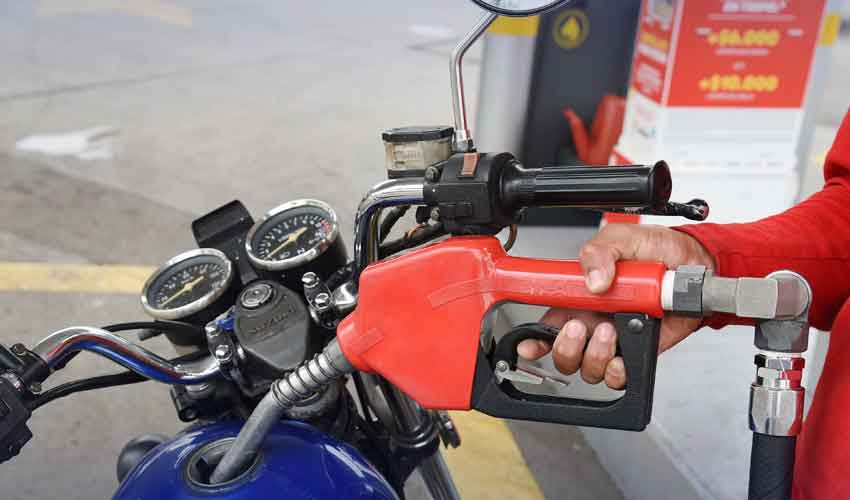
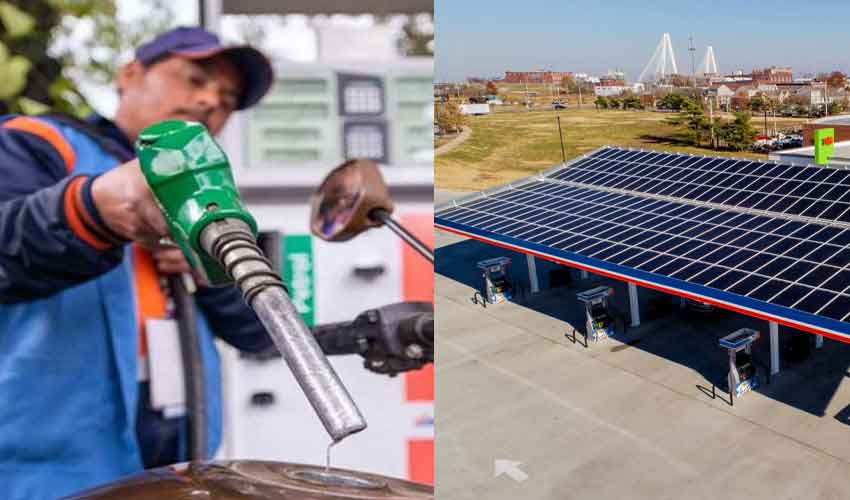
In the UAE, fuel prices jumped sharply, rising more than 30% for petrol and 72% for diesel, leading to long queues at petrol stations.
Thousands of US troops, including Marines and the 82nd Airborne Division, have been deployed to the Middle East. Speculation is growing over a possible ground operation, including potential seizure of Iranian islands or key oil facilities like Kharg Island.
Meanwhile, Iranian attacks have continued, including a tanker strike in the Gulf and a drone attack that caused a major fire at Kuwait International Airport.
President Trump is expected to address the nation with updates on the war and possible next steps. As diplomatic tensions deepen and military actions expand, the future of the region — and global energy stability — remains uncertain.