





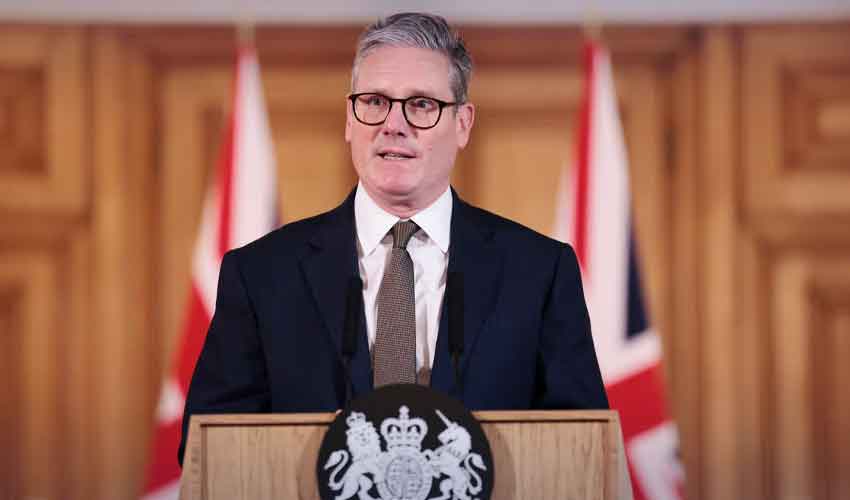
British Prime Minister Keir Starmer has made it clear that the UK will not be drawn into the Iran war, prioritising national interest, economic stability and alliances with Europe.
Speaking in London, Prime Minister Keir Starmer reassured the public amid growing global tensions. He said Britain would not enter the Iran conflict and would instead focus on protecting its own interests.
Starmer firmly stated that Britain will not be dragged into the ongoing Iran war.
“This is not our war,” he said during a press conference, adding that no matter the pressure or external “noise,” he would act in Britain’s national interest.
He stressed that protecting the country and its people remains his top priority.
National interest and European alliances
Starmer said Britain’s long-term national interest lies in building stronger partnerships with European allies.
“Our interests are in better relations with our European allies,” he said, highlighting plans for another summit with the European Union in the coming weeks.
He added that the goal is to undo some of the “deep damage” caused by Brexit and align more closely on security and economic matters.
Also Read: Trump claims US war on Iran could end in 2–3 weeks
The British PM warned that the impact of the Iran war could shape Britain’s future for generations. He compared the potential economic consequences to the energy crises of the 1970s, particularly due to rising fuel and energy costs.
He reassured citizens that the government is prepared to weather the crisis, saying, “No matter how severe this storm may be, we are well prepared.”
Commitment to NATO remains strong
Starmer reaffirmed Britain’s commitment to NATO, calling it “the most effective military alliance the world has ever known.”
“It has kept us safe for decades, and we are fully committed to NATO,” he said.
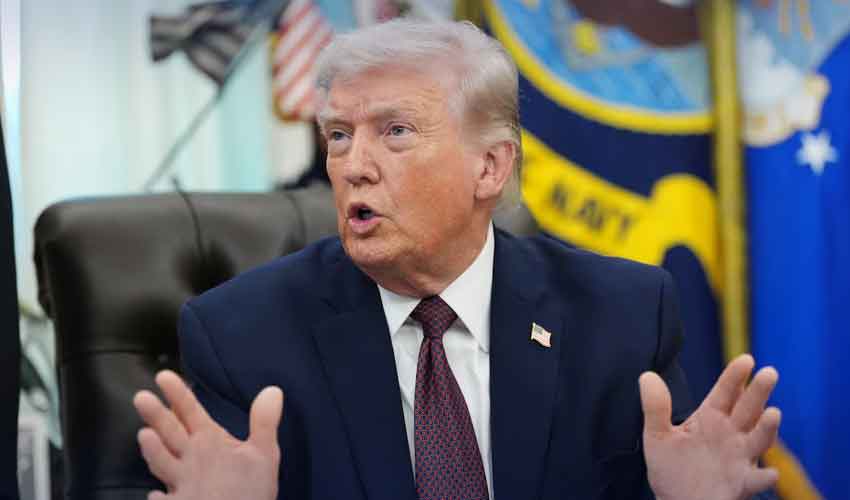
His remarks came amid comments from US President Donald Trump suggesting the possibility of the United States withdrawing from the alliance.
Relations between Britain and the United States have come under strain over the Iran conflict. Trump criticised European countries, including Britain and France, for not joining the US-Israeli military campaign and warned that the US may not always provide support.
In response, Starmer said the UK and US remain close allies but reiterated that he would act in Britain’s national interest regardless of external pressure.
Starmer confirmed that Britain initially refused a US request to launch attacks on Iran from two British bases. However, the UK later agreed to allow defensive missions aimed at protecting residents in the region, including British citizens.
Five-point plan to support citizens
To address domestic concerns, Starmer announced a five-point plan to help citizens affected by the war. The plan includes efforts to reduce energy bills and fuel taxes, as well as diplomatic initiatives to ease tensions.
He said the government is focused on shielding households from rising costs linked to global instability.
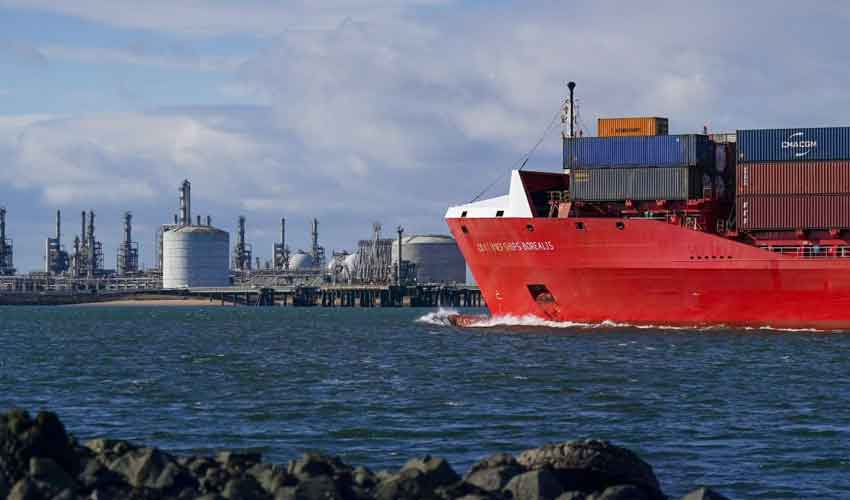
Starmer emphasised the importance of reopening the Strait of Hormuz, a critical global energy route. He revealed that 35 countries have united to ensure maritime security in the Middle East.
Also Read: US confronting Russia, China over Iran, asserts Hegseth
Foreign ministers from these countries are set to meet later this week, with Britain hosting discussions led by Foreign Minister Yvette Cooper. However, he acknowledged that reopening the strait will not be immediate or easy, even if tensions ease.
Global cooperation and security
Starmer said the ongoing conflict, continued maritime attacks, and threats to energy infrastructure are keeping global supply risks high. He stressed the need for coordinated international efforts to stabilise the region and ensure energy security.
Addressing the British public directly, Starmer said he would not let the country down during the crisis.
“I am not prepared to let the British people down,” he said, reaffirming his commitment to navigating the challenges ahead.
.jpg)