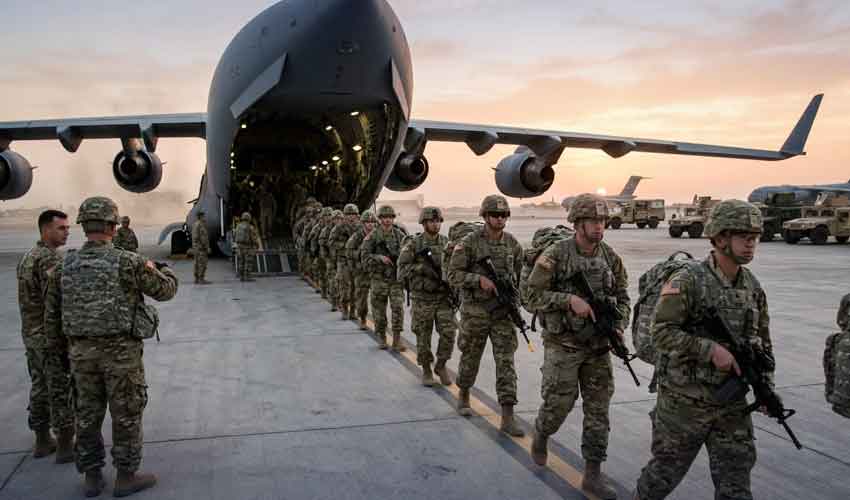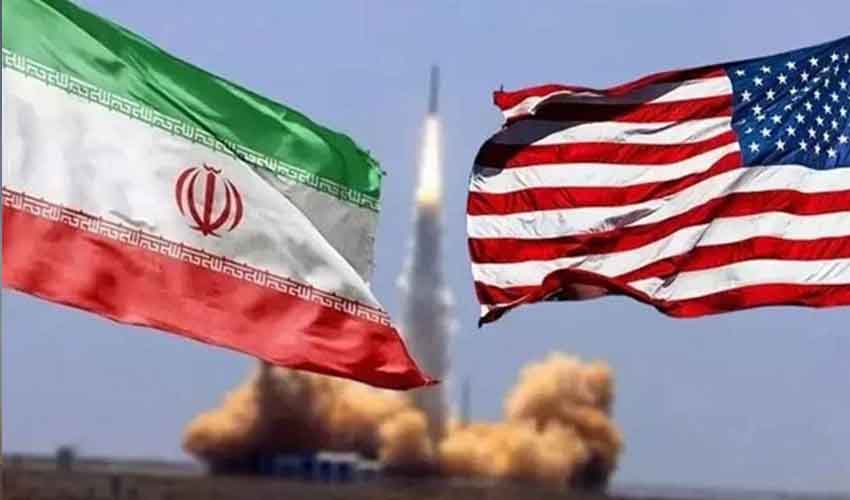






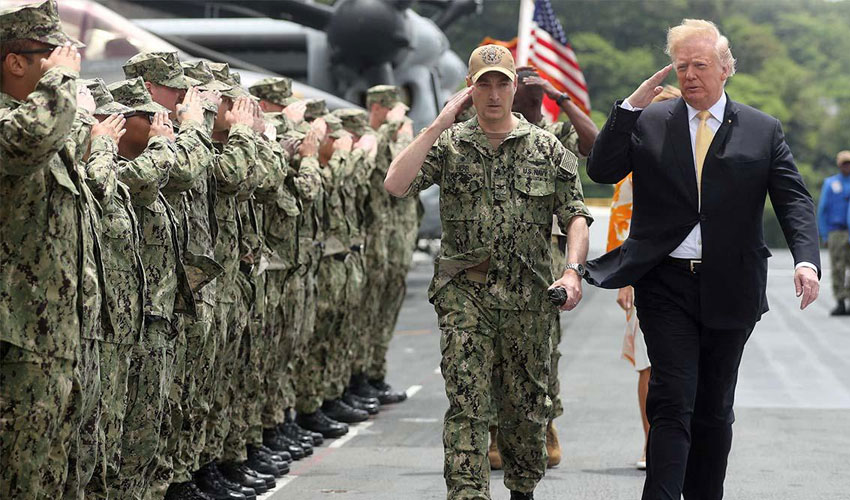
The United States Department of Defense is preparing to send thousands of additional troops to the Middle East, according to sources.
The move comes amid escalating tensions with Iran, even as Washington signals openness to possible talks.
Officials told Reuters that the U.S. is expected to deploy between 3,000 and 4,000 soldiers from the elite 82nd Airborne Division.
The unit, based at Fort Bragg, is known for its ability to deploy within 18 hours.
Sources did not specify when or where exactly the troops would be sent in the Middle East.
The U.S. military redirected questions to the White House, which said official announcements would come from the Pentagon.
“As we have said, President Trump always has all military options at his disposal,” said spokesperson Anna Kelly.
Part of broader military buildup
The deployment is the latest step in a growing U.S. military presence in the region.
Earlier, the U.S. sent thousands of Marines and sailors aboard the USS Boxer, along with additional warships.
Before these reinforcements, around 50,000 U.S. troops were already stationed in the region.
Possible expansion into Iran
Sources said no final decision has been made to send troops into Iran itself.
However, the buildup is aimed at increasing readiness for potential future operations, including inside Iranian territory.
Previous reports suggest the U.S. military has considered securing the Strait of Hormuz.
There have also been discussions about deploying forces to Kharg Island, which handles about 90% of Iran’s oil exports.
Conflict toll and ongoing operations
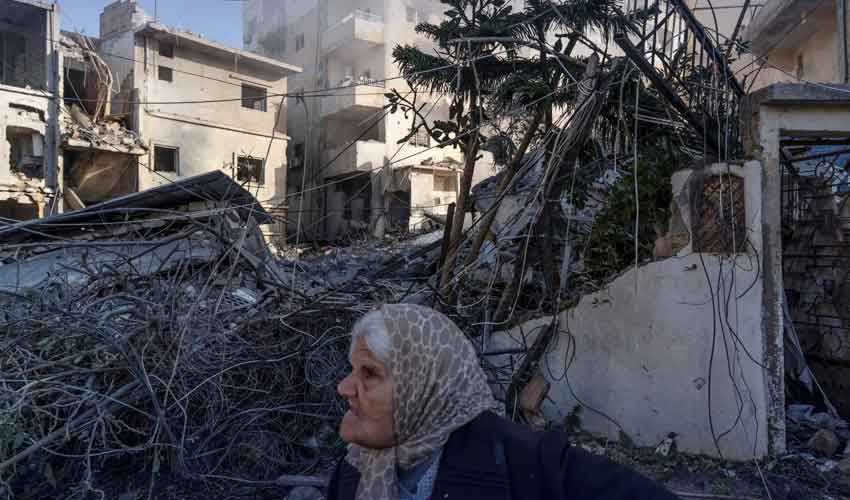
Since U.S. and Israeli operations began on February 28, the U.S. has struck around 9,000 targets inside Iran.
According to officials:
- 13 U.S. troops have been killed
- 290 have been wounded
- 255 have returned to duty
- 10 remain seriously injured
Talks vs tensions
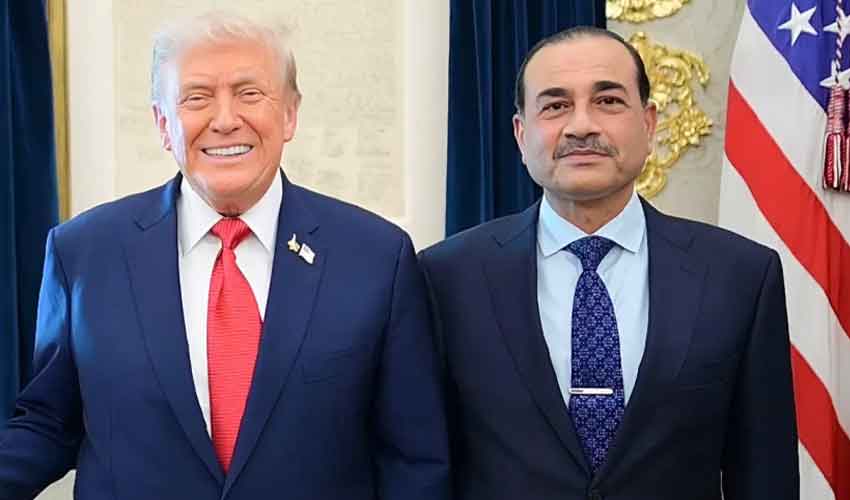
The latest troop movement comes shortly after Donald Trump said there had been “productive” talks with Iran.
However, Iran denied that any such discussions had taken place, highlighting ongoing uncertainty in diplomatic efforts.
A Ipsos poll conducted with Reuters shows declining public support for U.S. strikes.
- 35% of Americans approve of the strikes (down from 37%)
- 61% disapprove (up from 59%)