





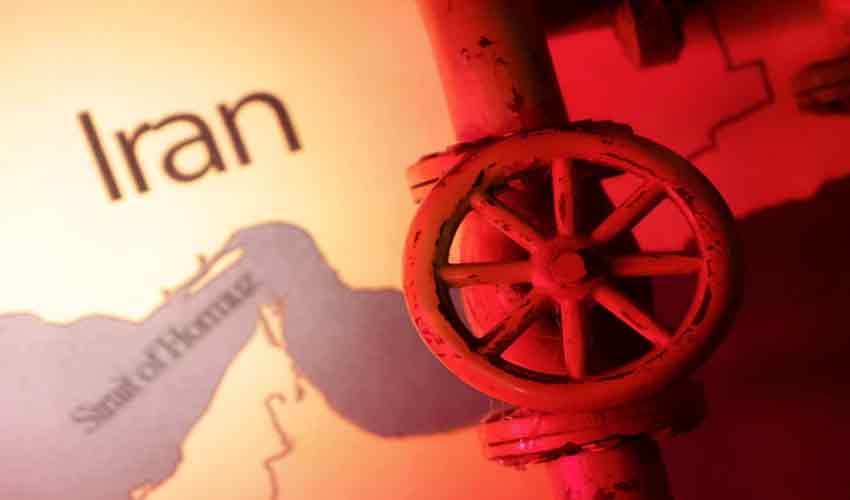
Amid rising tensions in the region, Iran has announced that “non-hostile” ships can still pass through the strategic Strait of Hormuz.
The message, sent to key UN bodies, comes as the ongoing conflict disrupts global energy supplies.
Iran informed the United Nations Security Council and the International Maritime Organization that certain vessels may safely transit the strait.
The communication was also shared with UN Secretary-General Antonio Guterres.
According to the note from Iran’s Foreign Ministry, vessels can pass through the Strait of Hormuz if they:
- Do not participate in or support actions against Iran
- Fully comply with Iran’s safety and security regulations
- Coordinate with Iranian authorities
Iran emphasized that such vessels would be allowed “safe passage” under these conditions.
Restrictions on certain ships
Iran made it clear that vessels linked to the United States or Israel would not qualify.
Ships, equipment, or assets associated with what Iran described as “aggressors” would be denied innocent or non-hostile passage.
The Strait of Hormuz remains one of the world’s most critical shipping routes.
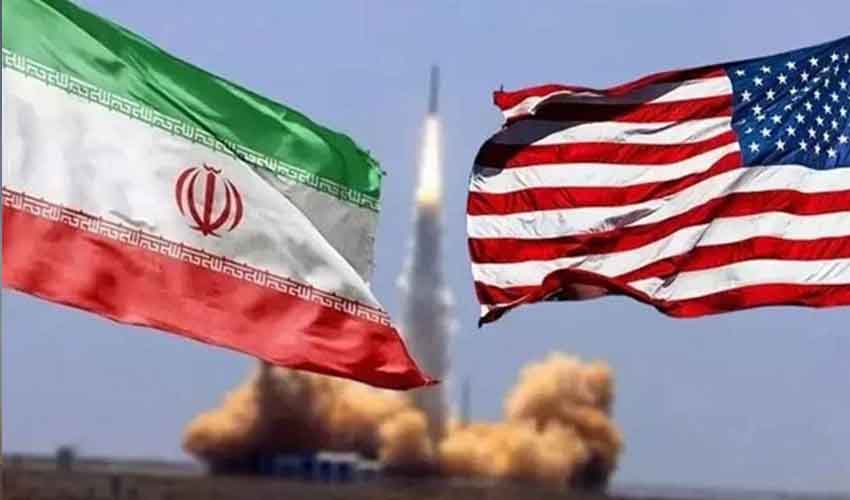
Due to the ongoing U.S.-Israeli conflict with Iran, shipments of nearly one-fifth of the world’s oil and liquefied natural gas have been severely disrupted.
The note was sent to the 15-member Security Council on Sunday and later circulated among 176 member states of the London-based IMO.
According to the Financial Times, the document was formally shared with shipping stakeholders on Tuesday.
Iran stated it has taken “necessary and proportionate measures” to prevent the Strait of Hormuz from being used for hostile operations.
The move signals tighter control over maritime traffic in the region amid escalating geopolitical tensions.