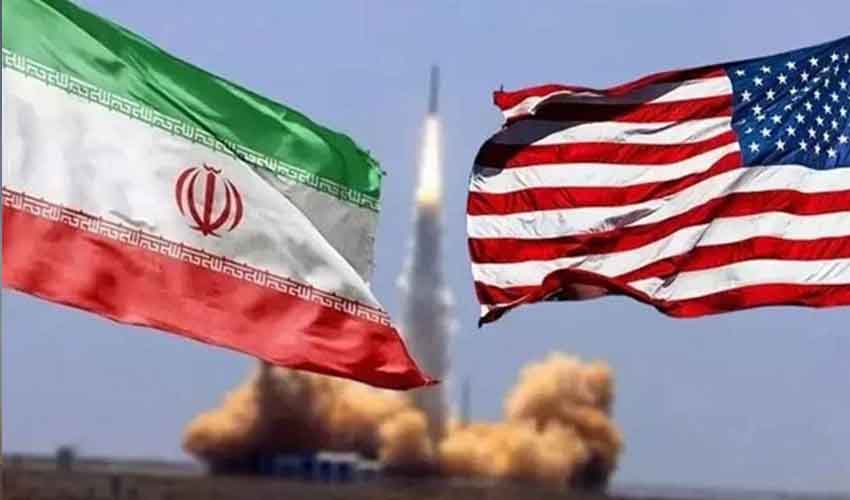






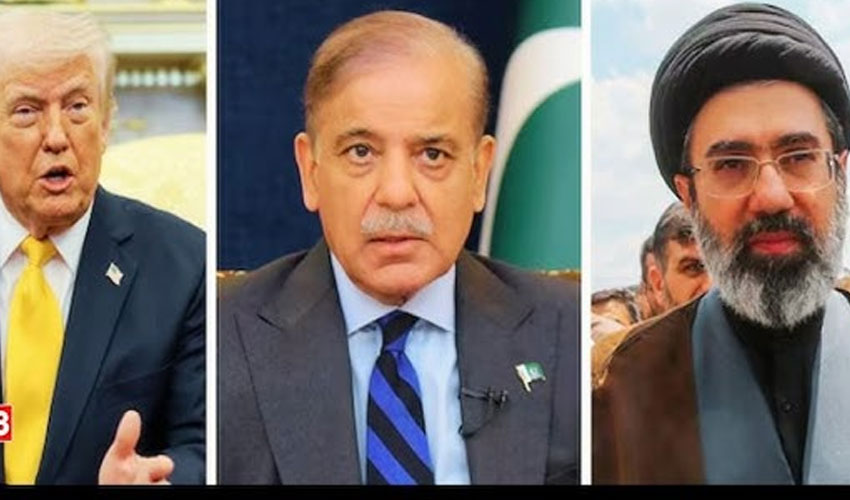
The United States has reportedly delivered a 15-point plan to Iran to end the ongoing Middle East conflict, with Pakistan’s army chief acting as a key intermediary.
The initiative signals Washington’s growing urgency to find a diplomatic resolution amid escalating military and economic fallout.
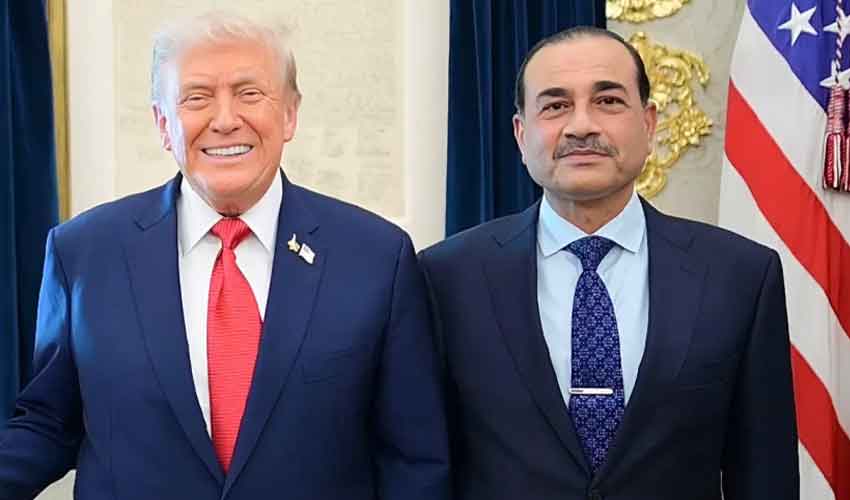
Field Marshal Syed Asim Munir, Pakistan’s army chief, has become the main interlocutor between the United States and Iran. He maintains close ties with Iran’s Islamic Revolutionary Guards Corps, enabling him to communicate sensitive proposals, including hosting potential talks in Pakistan.
Prime Minister Shehbaz Sharif affirmed his country’s support on social media, stating Pakistan is “ready and honoured to facilitate meaningful and conclusive talks” if both sides agree. Egypt and Turkey are reportedly encouraging Iran to engage constructively.
Broad outlines of 15-point plan
Officials briefed on the plan say it addresses:
- Iran’s ballistic missile and nuclear programs, including dismantling Natanz, Isfahan, and Fordow nuclear facilities
- A halt to enrichment of nuclear material on Iranian soil
- Suspension of funding for regional proxy groups
- Establishment of a free maritime corridor in the Strait of Hormuz to secure global oil and gas flows
- A potential ceasefire, possibly for one month, to allow detailed negotiations
Iranian conditions for ceasefire
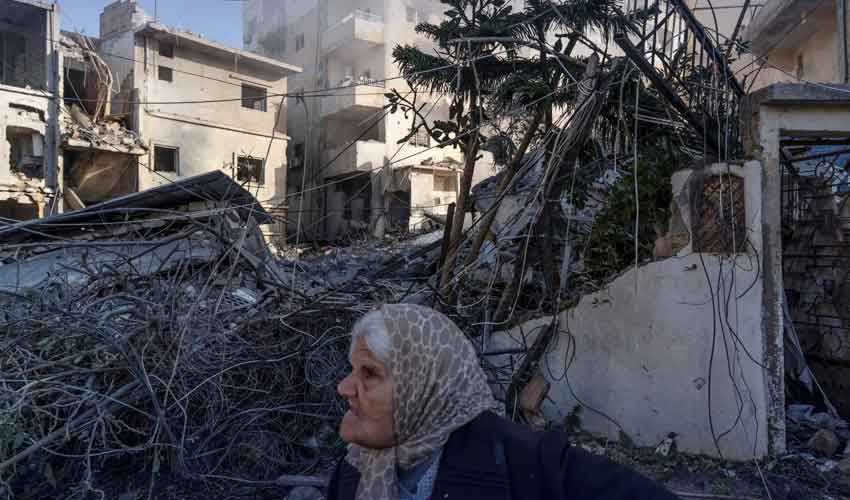
Iran has reportedly set its own conditions, including guarantees against future attacks, compensation for war-related losses, and full control over the Strait of Hormuz. Senior Iranian officials also emphasize they will not limit their missile program.
Mohsen Rezaei, an advisor to the Iranian Supreme Leader, underscored that the United States and its allies must account for the destruction caused during the war and avoid interference in Iran’s internal affairs.
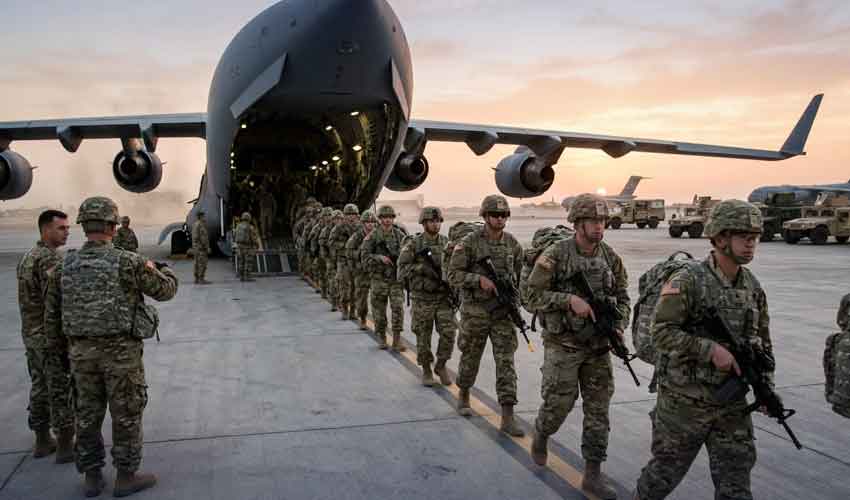
The 15-point plan comes as the war enters its fourth week. U.S. and Israeli forces have targeted Iran’s ballistic missile and nuclear facilities, while Iran continues missile strikes against Israel and neighboring countries.
Control of the Strait of Hormuz has been a strategic point of contention, as Iran has blocked most Western ships, disrupting global oil and gas markets and driving prices higher.
The White House, while acknowledging diplomatic outreach, reiterated that military operations—Operation Epic Fury—continue unabated to achieve objectives laid out by President Trump and the Pentagon.
It remains unclear how widely the 15-point plan has been shared within Iranian leadership, given communication difficulties following strikes on Tehran, including the death of top officials. Israel’s stance on the proposal has also not been publicly confirmed.